Experience the magnetic pull of Kedarnath, the most powerful Jyotirlinga of the Himalayas.


Experience the magnetic pull of Kedarnath, the most powerful Jyotirlinga of the Himalayas.


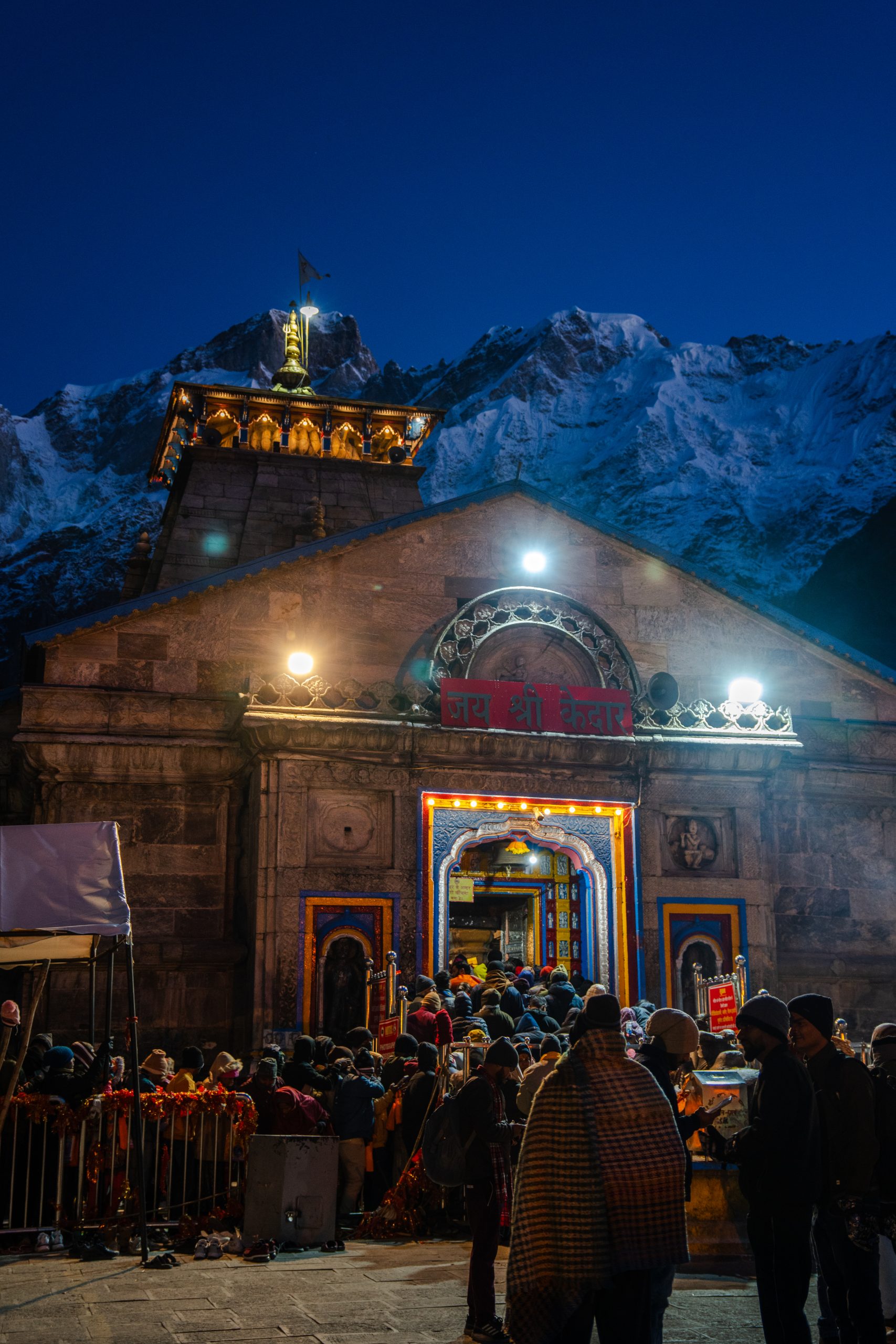
The Kedarnath Yatra is one of the most sacred pilgrimages in India and among the most searched spiritual journeys online. Devotees frequently look for Kedarnath Yatra 2025, Kedarnath tour package, Kedarnath helicopter booking, Kedarnath trek distance, and best time to visit Kedarnath before planning their trip. Located in the Garhwal Himalayas of Uttarakhand, Kedarnath is one of the twelve Jyotirlingas of Lord Shiva and a key part of the Char Dham Yatra.
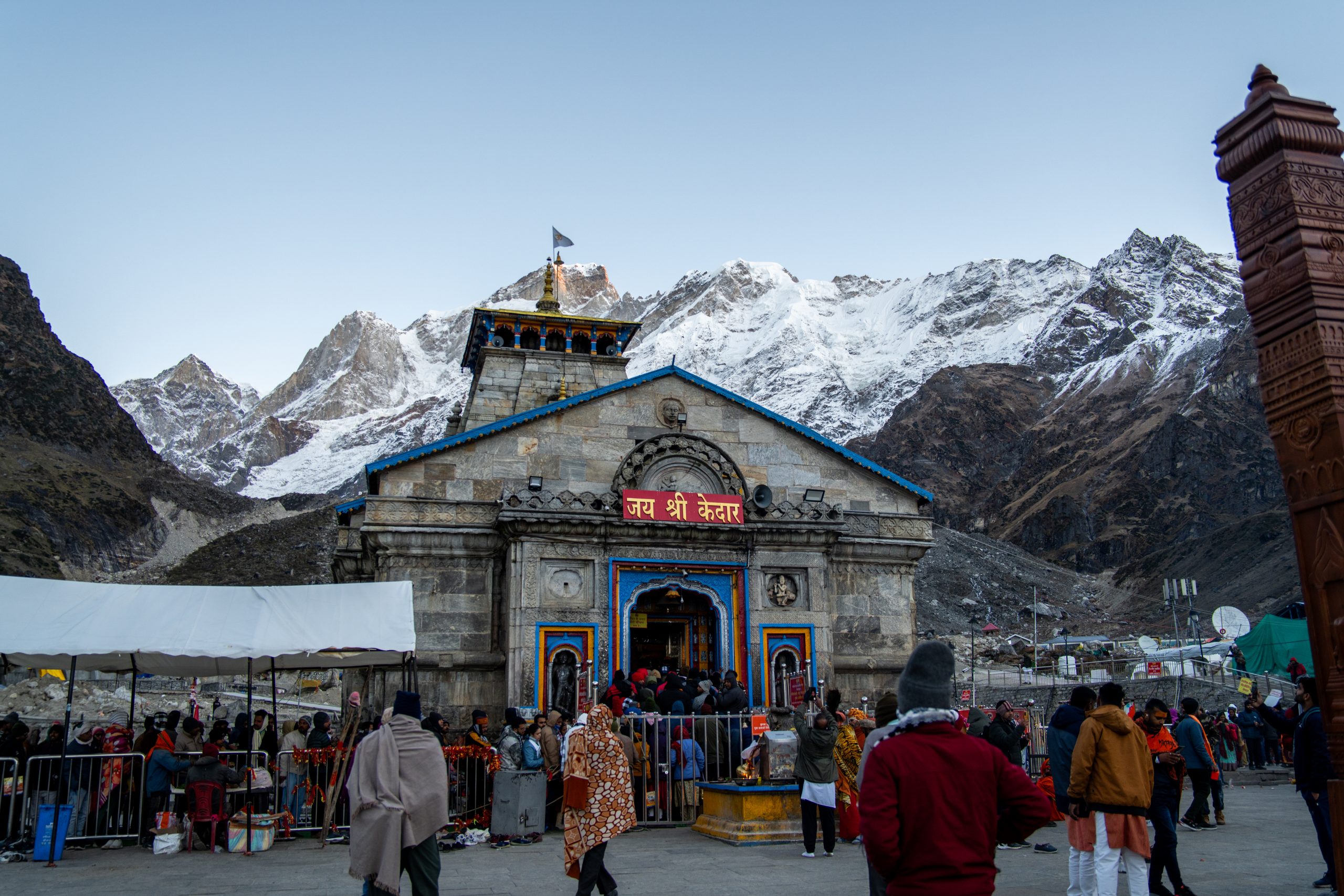
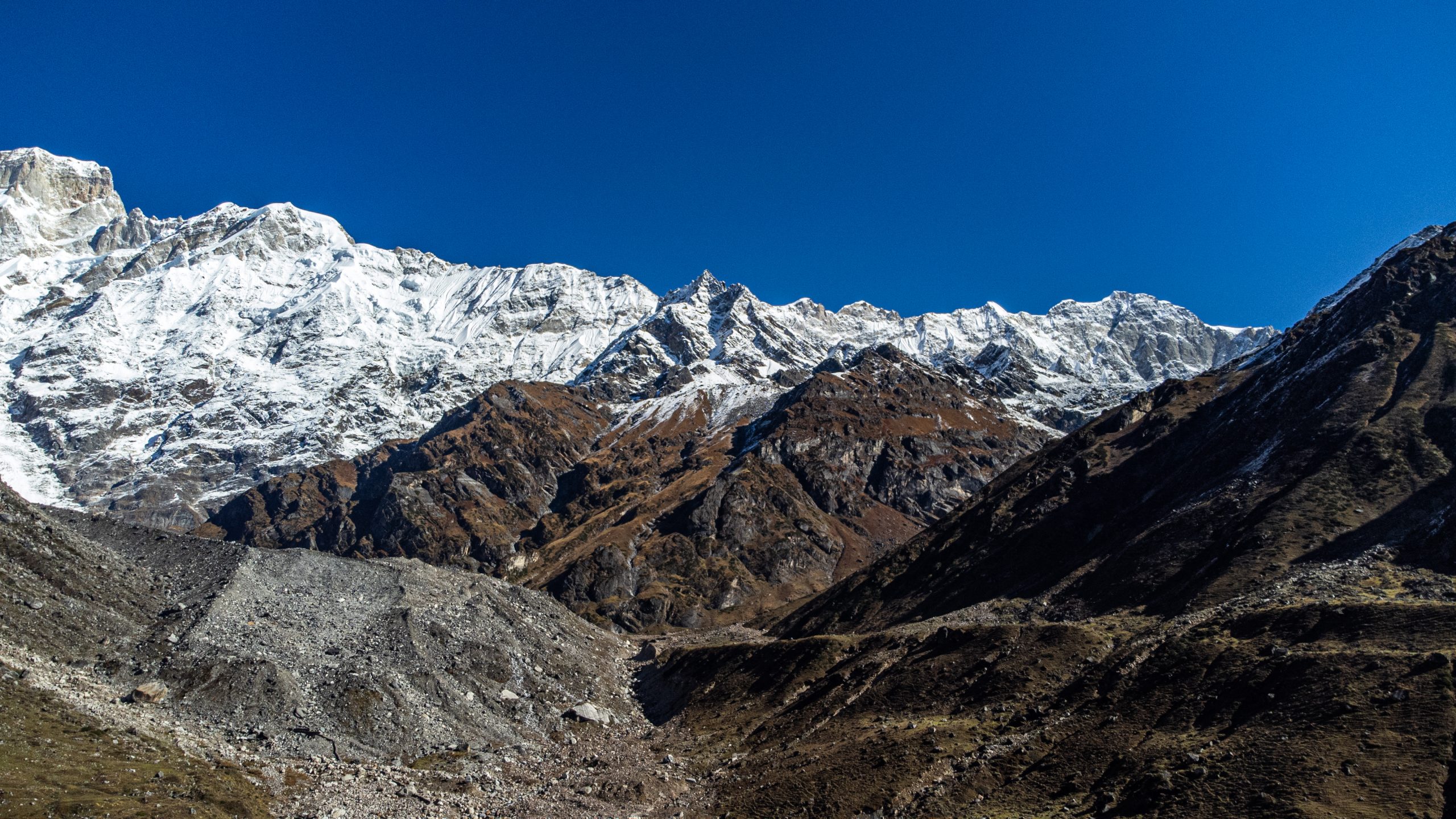
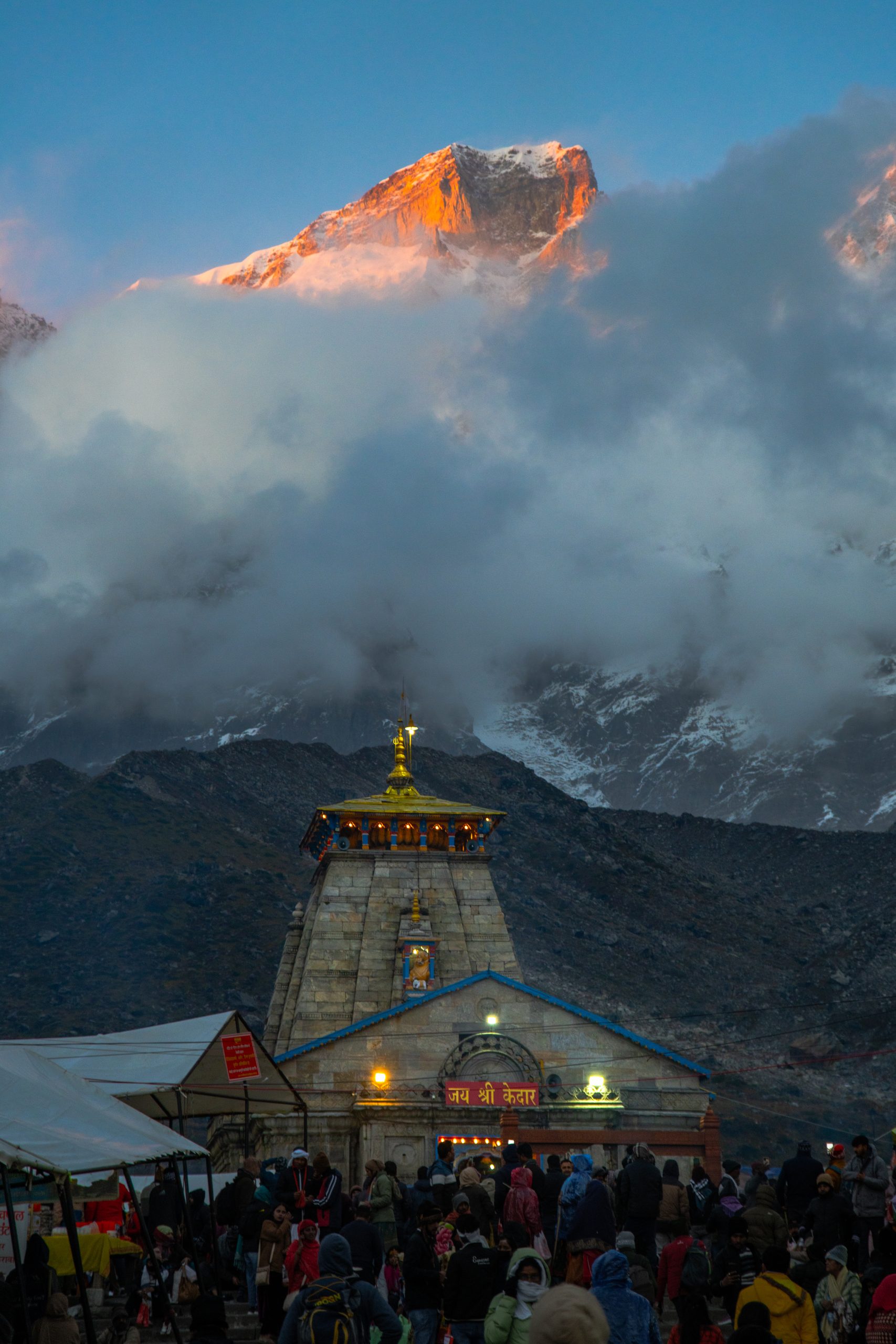
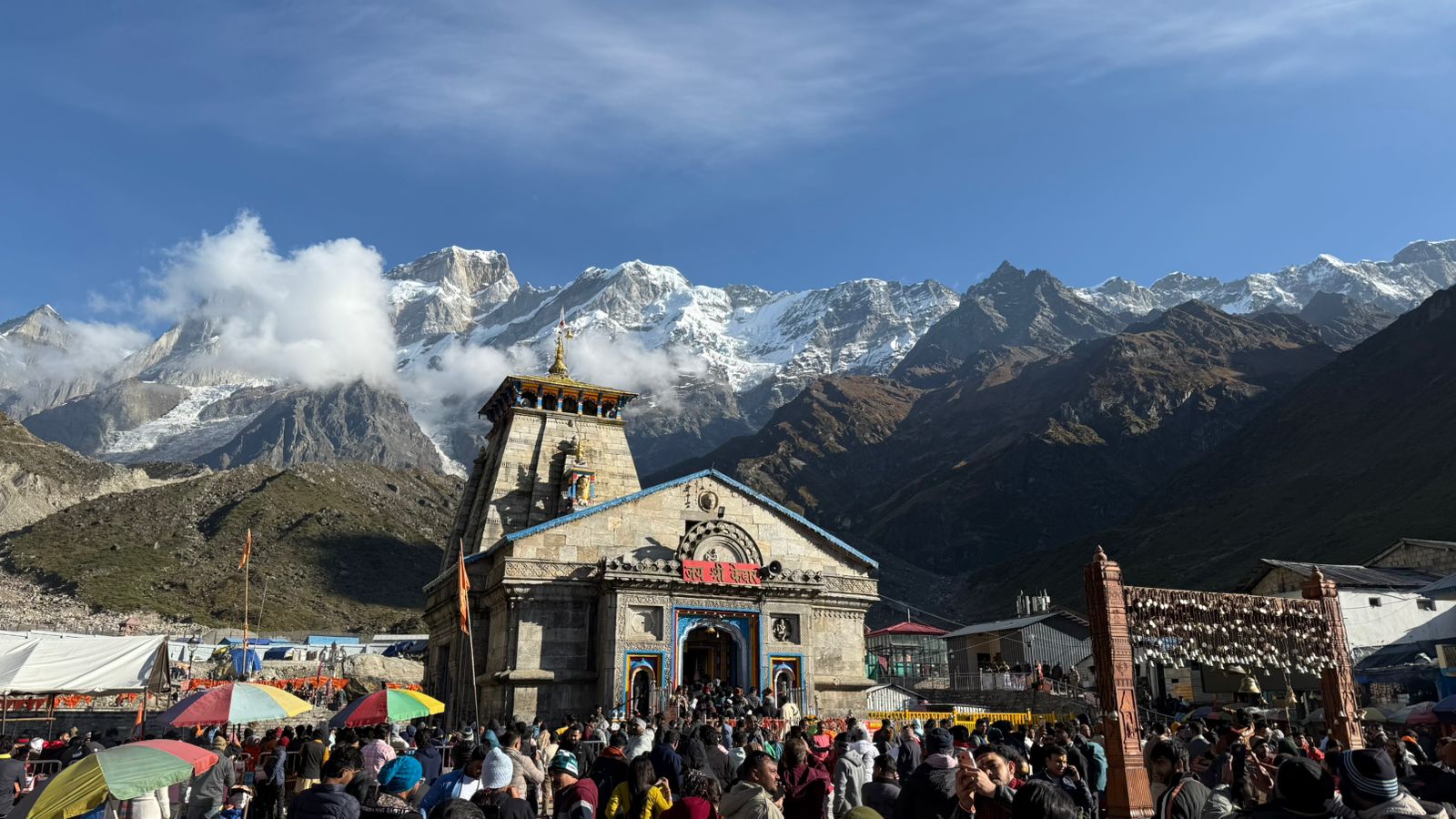
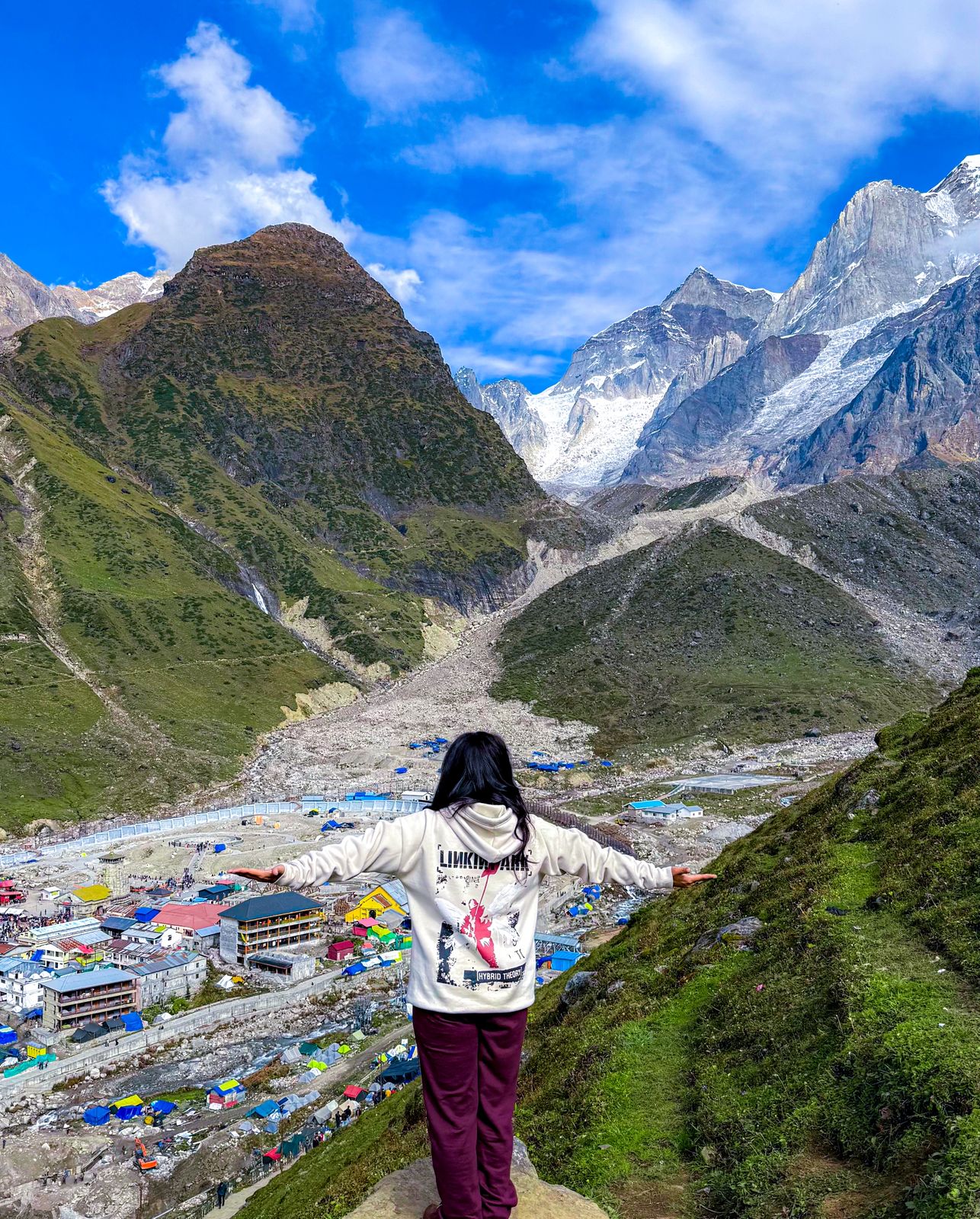
The Kedarnath Yatra involves a combination of scenic mountain drives and a high-altitude trek. The temple stands at an altitude of 11,755 ft, surrounded by snow-clad peaks and the Mandakini River. The journey typically takes 3–5 days depending on the starting point (Rishikesh, Haridwar, or Delhi).
The yatra usually begins with a drive from Rishikesh or Haridwar to Guptkashi or Sonprayag. Pilgrims then proceed to Gaurikund, the starting point of the 16 km Kedarnath trek. The trek passes through scenic Himalayan valleys with resting points along the route.
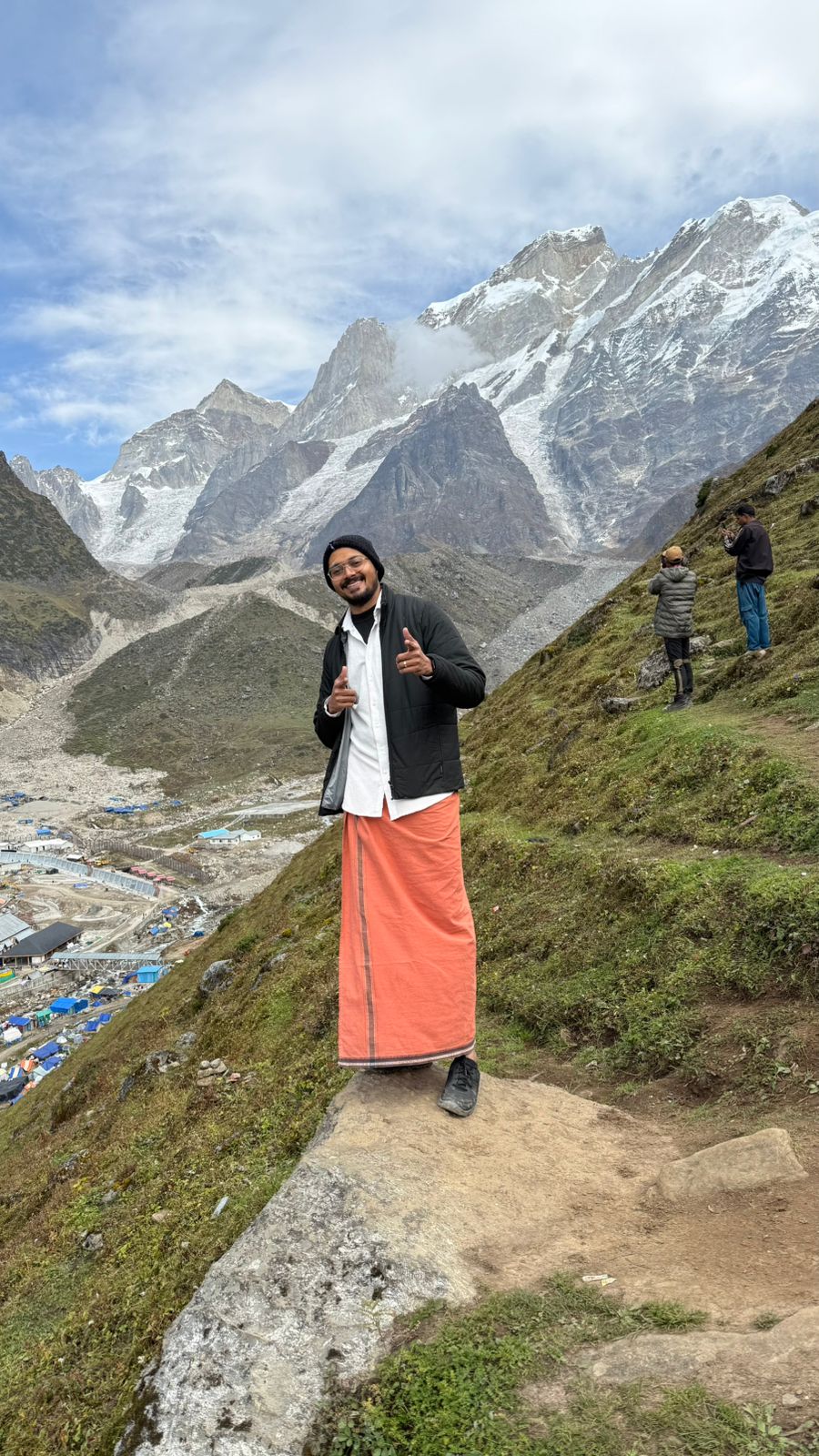
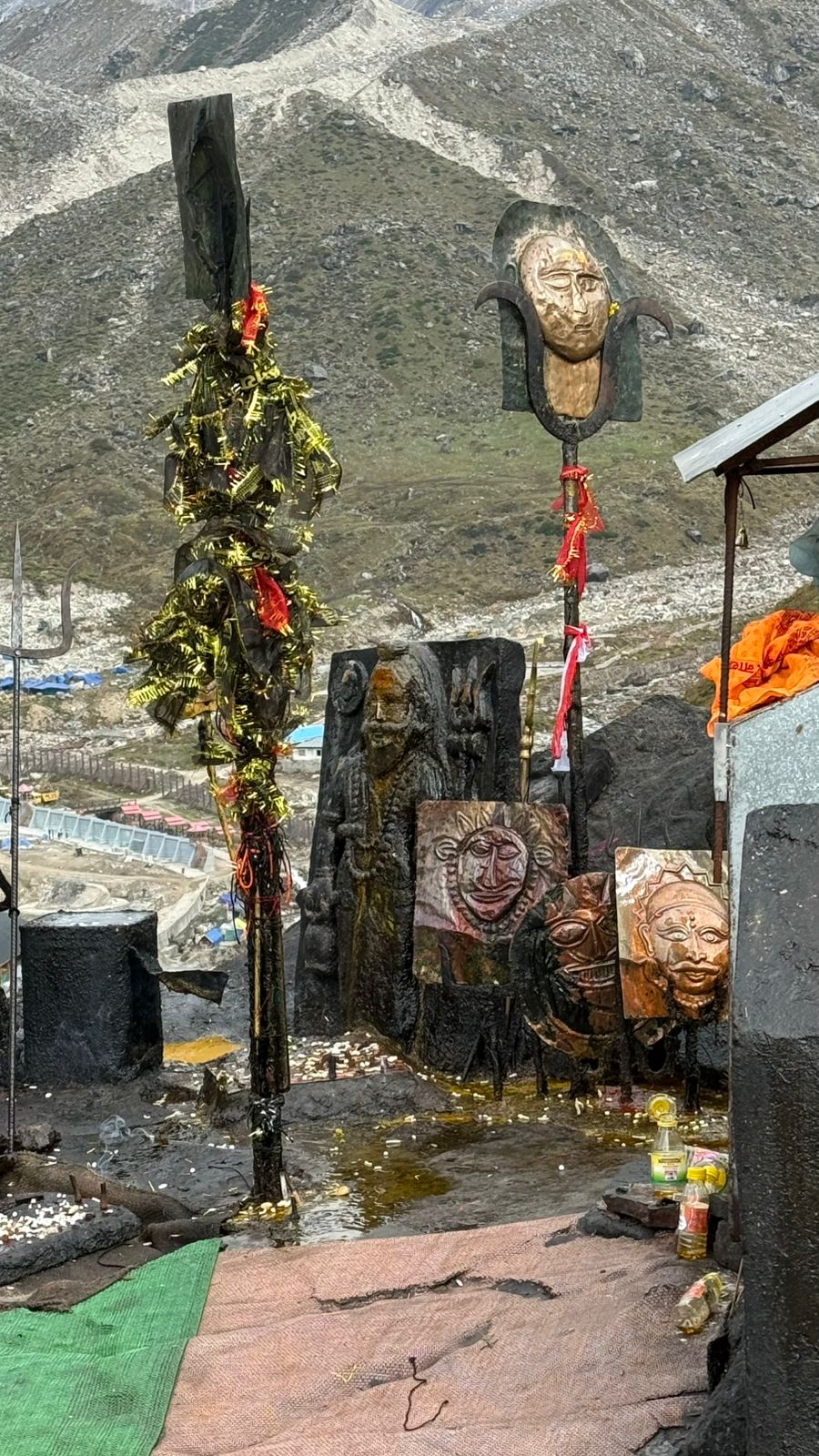
For those seeking convenience, Kedarnath helicopter services operate from Phata, Sersi, and Guptkashi. Upon reaching the temple, pilgrims attend evening or early morning darshan. Many also visit Bhairavnath Temple, located a short hike above Kedarnath, offering panoramic views of the valley.
The Kedarnath Temple opens around April or May (Akshaya Tritiya) and closes around October or November (Diwali).
May–June: Pleasant weather, peak pilgrimage season
September–October: Clear skies, fewer crowds
Monsoon months (July–August) can bring heavy rainfall and landslides, affecting road access.
The solitude level at Kedarnath depends heavily on the season.
Peak Season (May–June): 3/10 (high footfall)
Post-Monsoon (September–October): 6/10 (moderate crowds)
Despite the crowd during peak months, the early morning hours near the temple offer moments of peaceful reflection.
Kedarnath Yatra requires mandatory online registration and biometric verification. Travelers should prepare for cold temperatures even in summer, as nights can drop significantly. Proper trekking shoes, warm clothing, rain gear, and basic fitness are essential.
The 16 km trek is moderate in difficulty but manageable with preparation. Pony, palki, and helicopter options are available for senior citizens and those unable to trek. Accommodation ranges from guesthouses and camps to basic hotels in nearby towns like Guptkashi and Sonprayag.
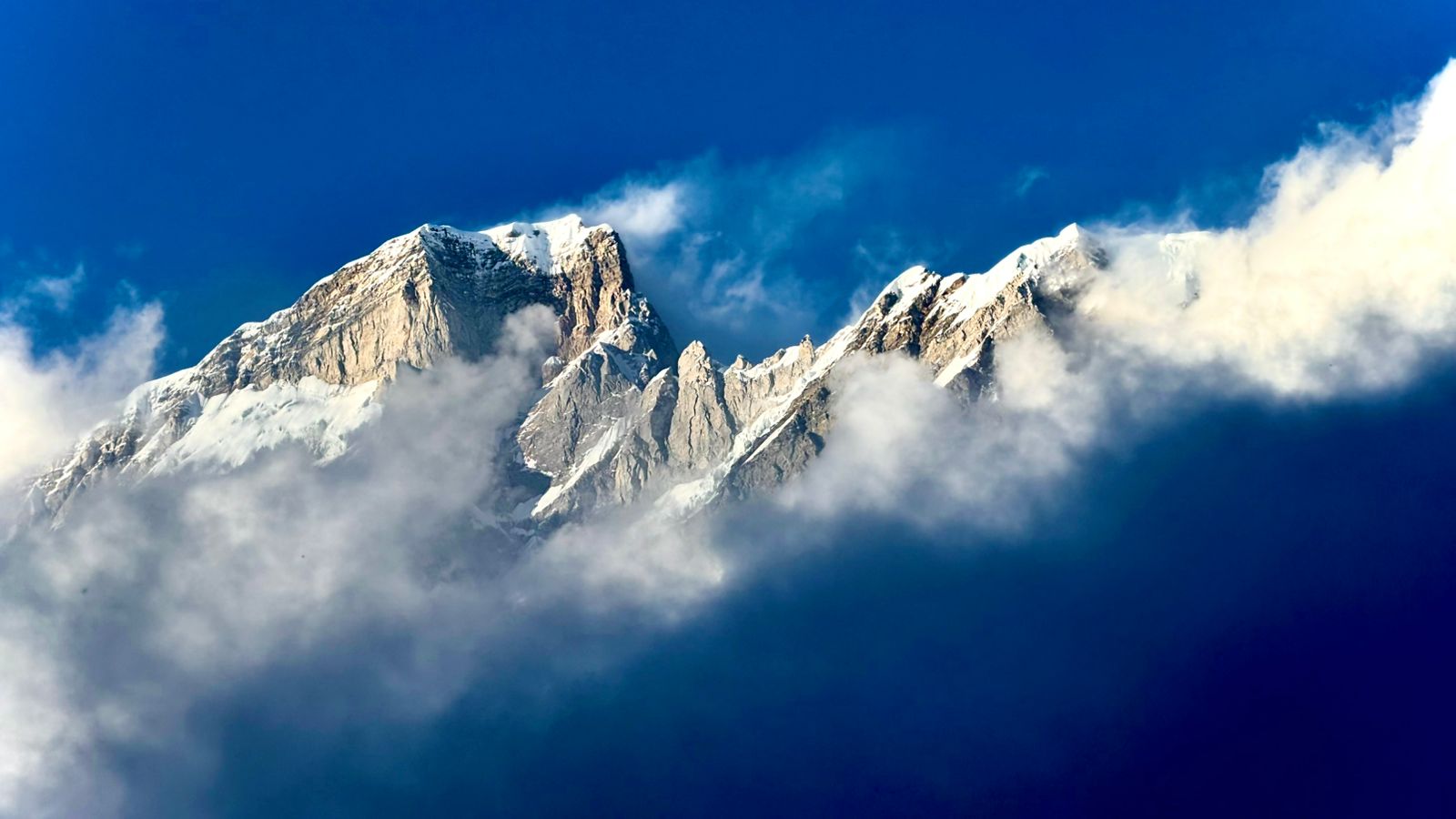
The Kedarnath Yatra is more than a pilgrimage; it is a transformative Himalayan experience. The dramatic backdrop of snow peaks, the sound of temple bells, and the spiritual energy of one of the most powerful Jyotirlingas create a deeply emotional impact.
Unlike ordinary travel, this journey challenges your body while calming your mind. The trek builds resilience, and the darshan brings peace. For devotees of Lord Shiva and seekers of spiritual clarity, Kedarnath remains one of India’s most meaningful journeys.
Expect long mountain drives, a physically demanding yet rewarding trek, high-altitude weather changes, limited network connectivity, and a profound spiritual atmosphere. Whether you walk the full 16 km trek or opt for helicopter services, the experience culminates in a powerful darshan at Kedarnath Temple.
The Kedarnath Yatra is not just a destination; it is a sacred journey through endurance, devotion, and Himalayan grandeur.
Begin your journey early morning from Rishikesh, driving through the sacred Garhwal Himalayas along the Alaknanda and Mandakini rivers. En route, witness the divine confluence at Devprayag, where the Bhagirathi and Alaknanda merge to form the Ganga.
As the road climbs higher, the surroundings turn quieter and more spiritual, leading you deep into the Kedarnath valley. Reach Guptkashi, a revered town associated with Lord Shiva, by evening and allow your body to acclimatize naturally.
Distance Covered: ~180 km
Travel Time: 6–7 hours
Altitude Gain: 340 m → ~1,319 m
Start early and drive toward Gaurikund, the base point of the Kedarnath trek. After a short ritual pause at Gaurikund, begin the sacred ascent toward Kedarnath Dham.
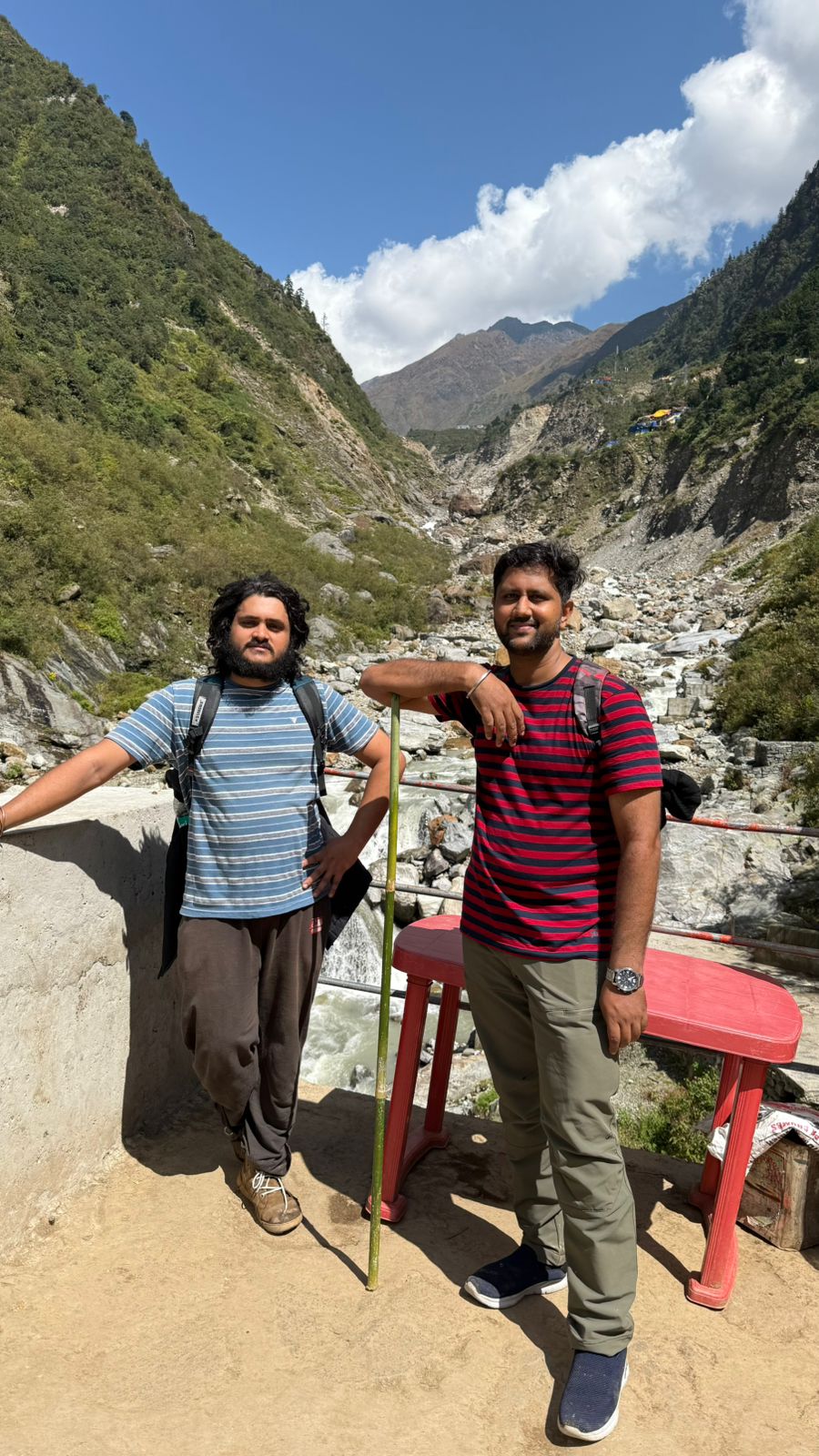
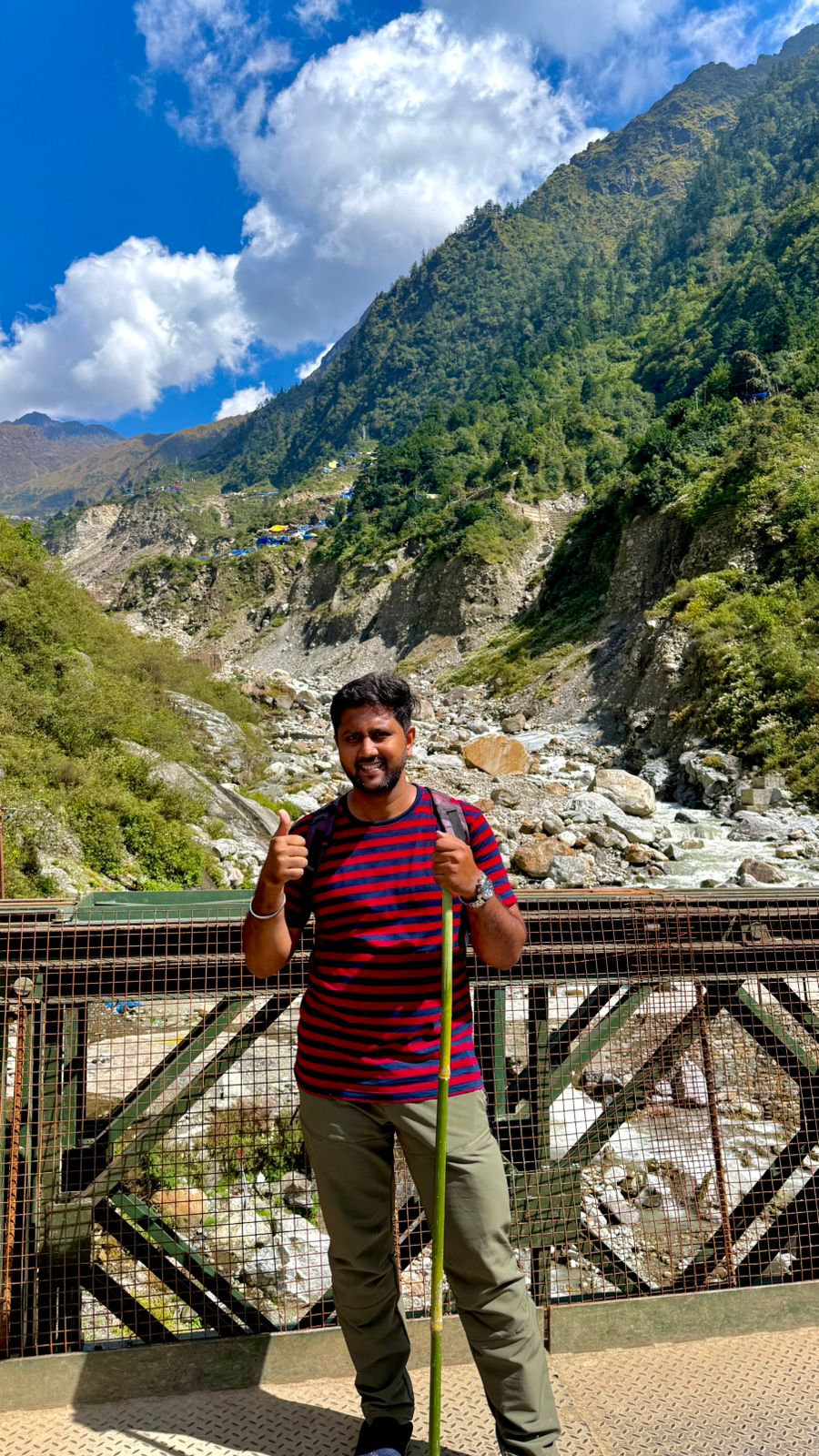
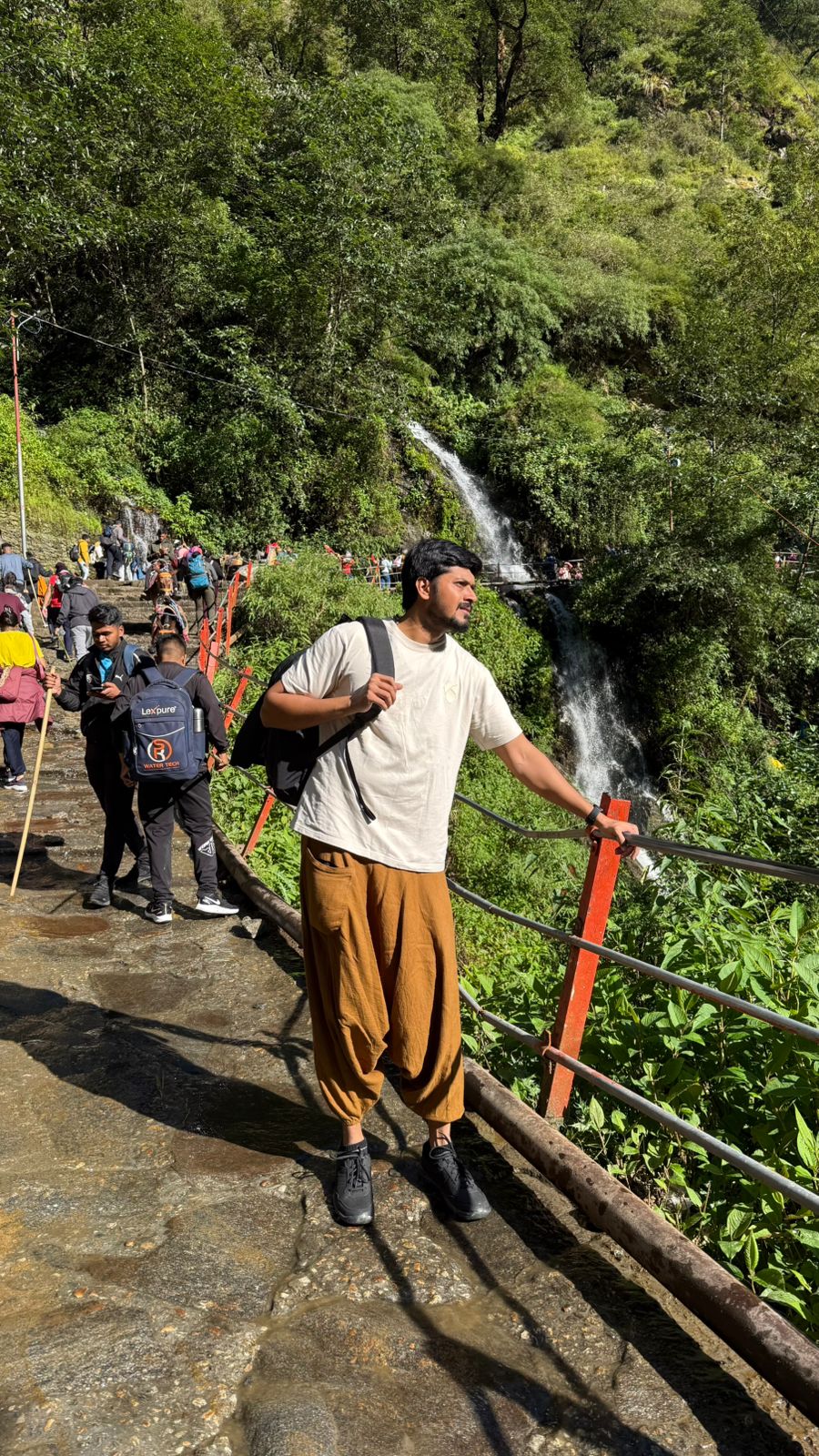
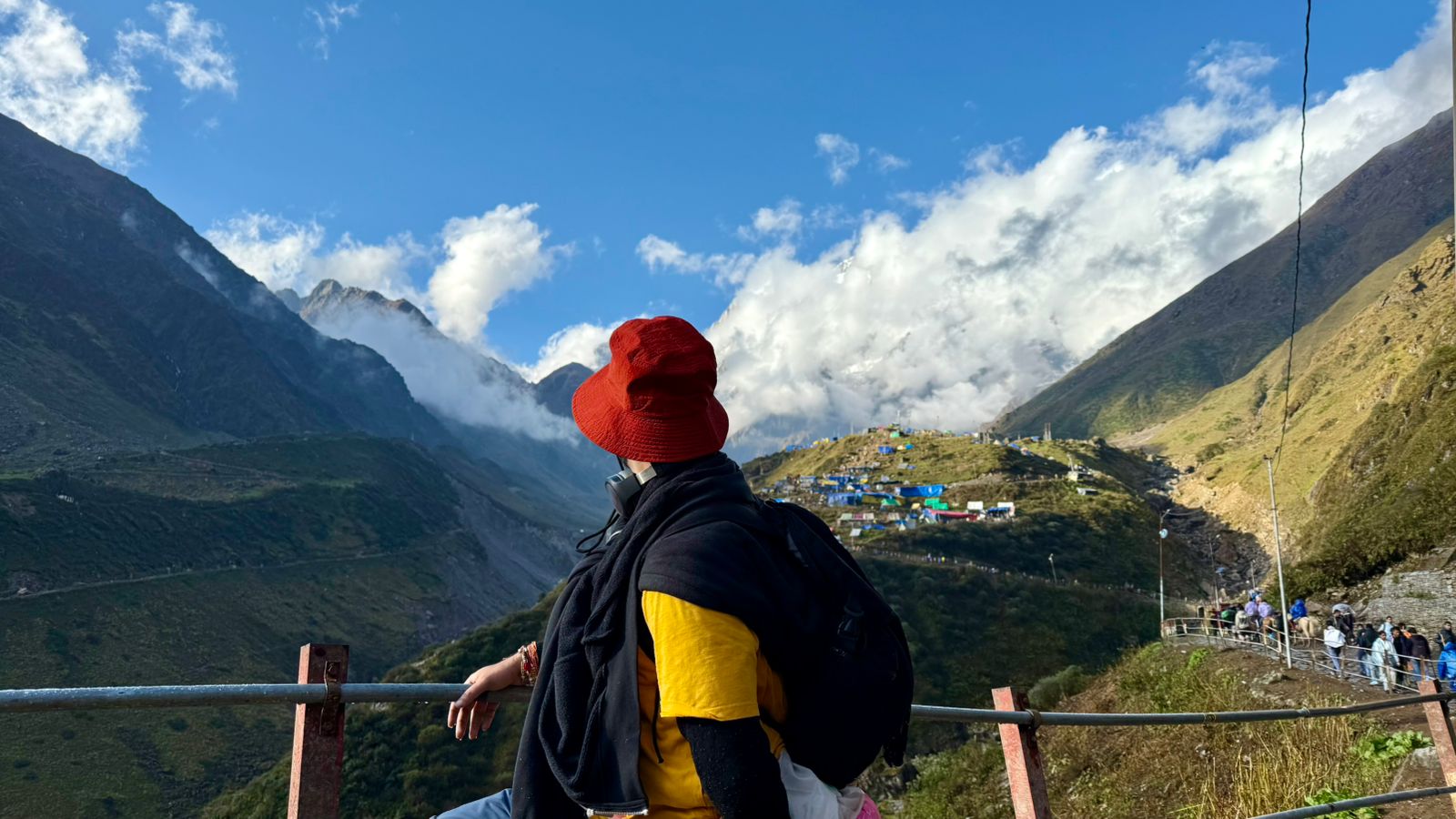
The 16 km trek follows the Mandakini river, passing through waterfalls, stone bridges, and wide Himalayan valleys filled with chants of devotion. The trail can be covered on foot or with the assistance of mules or palki (optional).
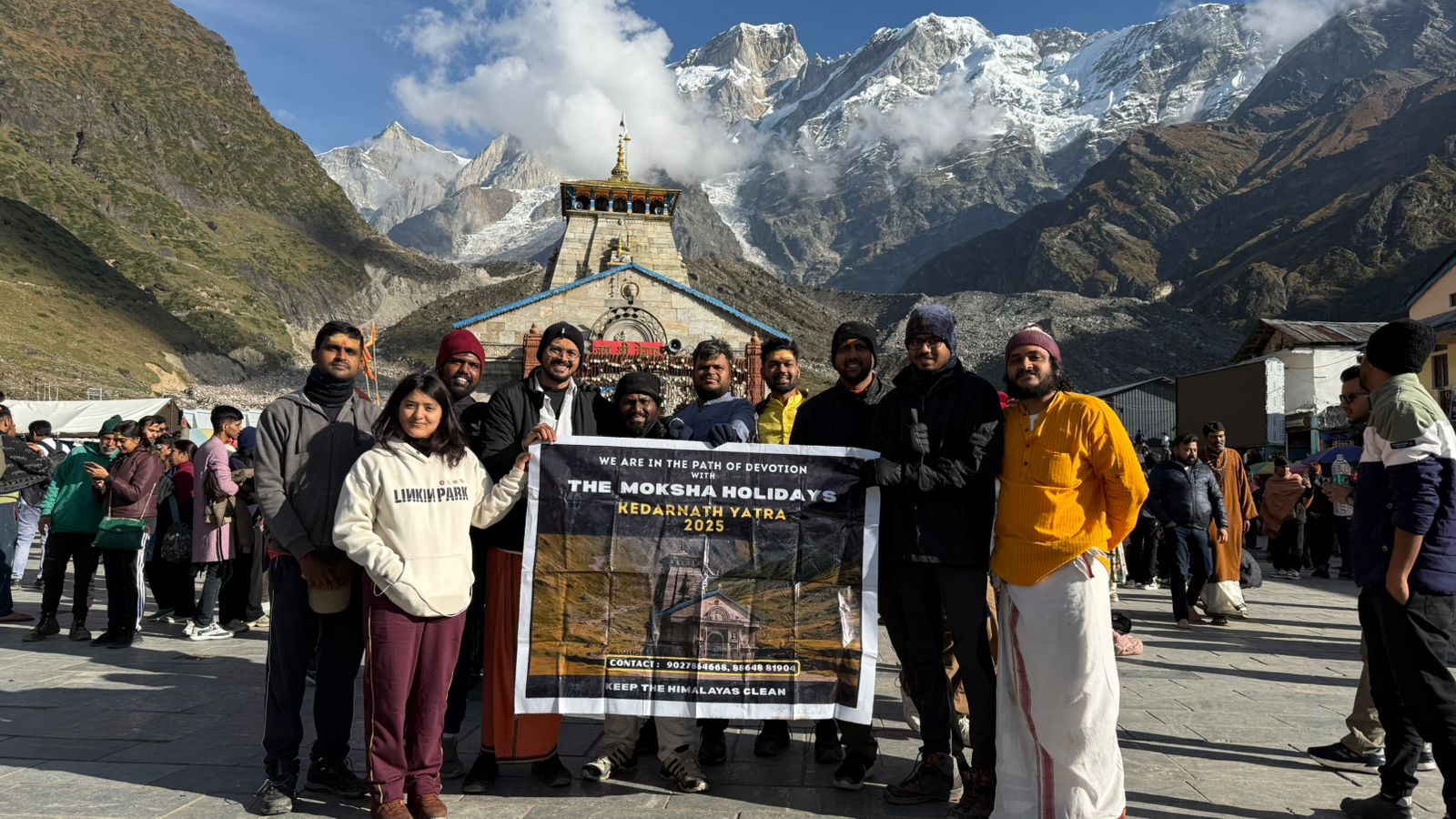
As you reach Kedarnath, the majestic stone temple appears against the backdrop of snow-clad peaks — a moment that feels timeless and deeply moving.
Trek Distance: ~16 km
Travel Time: 6–8 hours
Altitude Gain: 1,982 m → 3,583 m
Rise before dawn for the sacred Nirvan Darshan inside the Garbhagriha of Kedarnath — a rare and powerful spiritual experience. Later, visit Bhairavnath Temple, Adi Shankaracharya Samadhi, and take a quiet walk around the temple precinct.
After breakfast, begin your descent from Kedarnath back to Gaurikund. The downhill trail offers time to reflect on the journey, surrounded by the raw silence of the Himalayas.
From Gaurikund, drive back toward Guptkashi, completing the trekking circuit.
Trek Distance: ~16 km (downhill)
Travel Time: 5–6 hours
Altitude Drop: 3,583 m → 1,319 m
Begin your return journey to Rishikesh, descending through the Mandakini valley and revisiting the sacred Prayags. The mountains slowly give way to river plains as the journey comes full circle.
Arrive in Rishikesh by evening, marking the completion of a deeply spiritual Himalayan pilgrimage.
Distance Covered: ~180 km
Travel Time: 6–7 hours
Altitude Drop: 1,319 m → 340 m
The best months are May to June and September to October.
Weather is pleasant during the day, but nights remain cold. July–August (monsoon) is usually avoided.
No. Helicopter services are not included and must be booked separately through government-approved portals. We guide you on the process if required.
Yes, Kedarnath Yatra registration is mandatory. Pilgrims must complete online registration and biometric verification before beginning the journey. This ensures safety and controlled pilgrim movement.
Not mandatory, but highly recommended for senior citizens or travelers with medical conditions like BP, asthma, or heart issues.
Safety comes first. In case of bad weather or road closures, the itinerary may be adjusted. Extra costs due to delays are not included.
9027864668
info@themokshaholidays.com