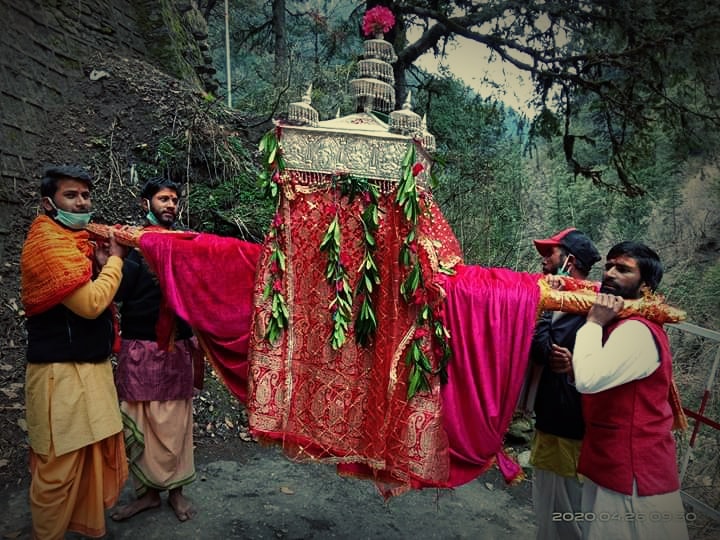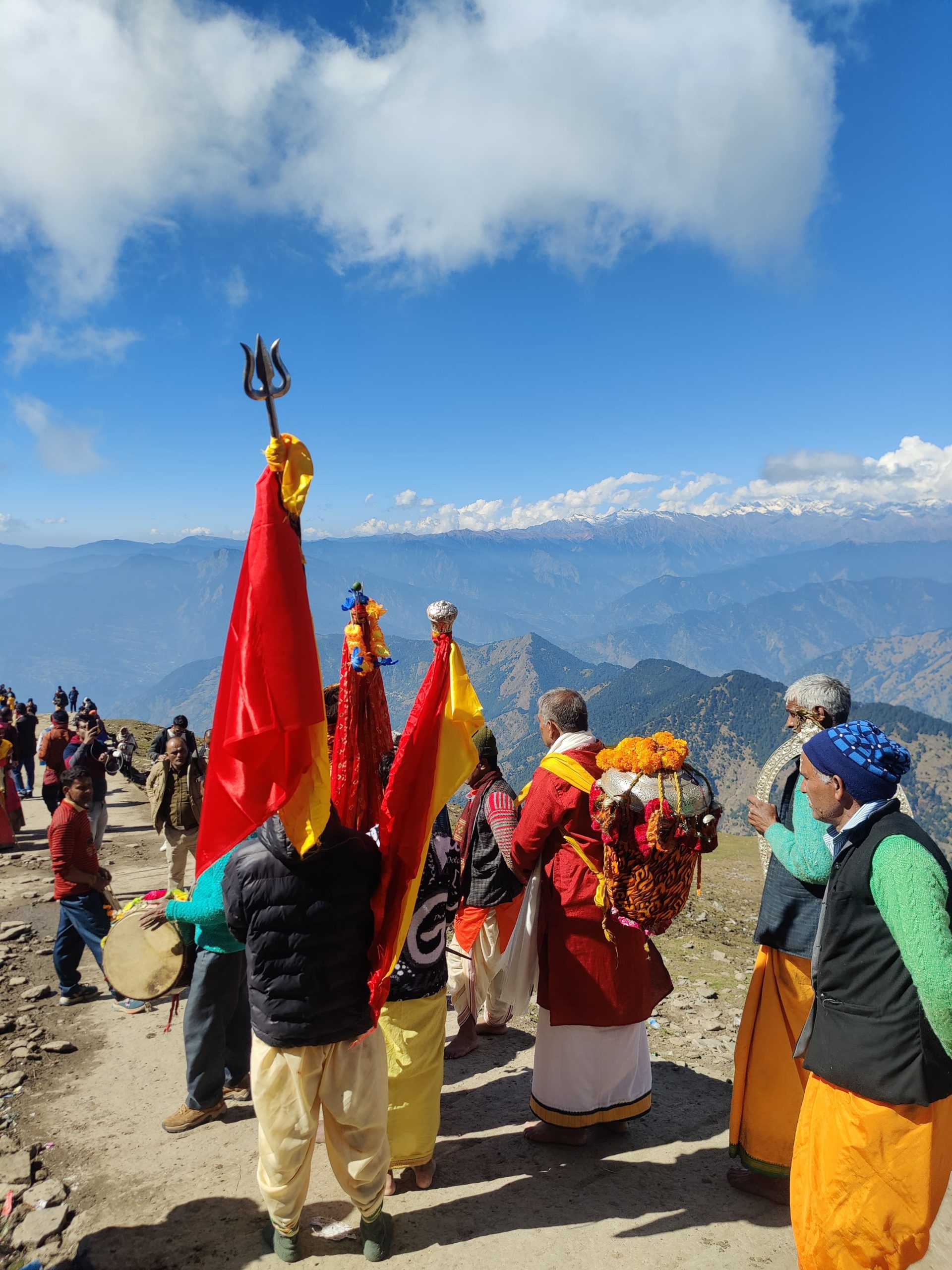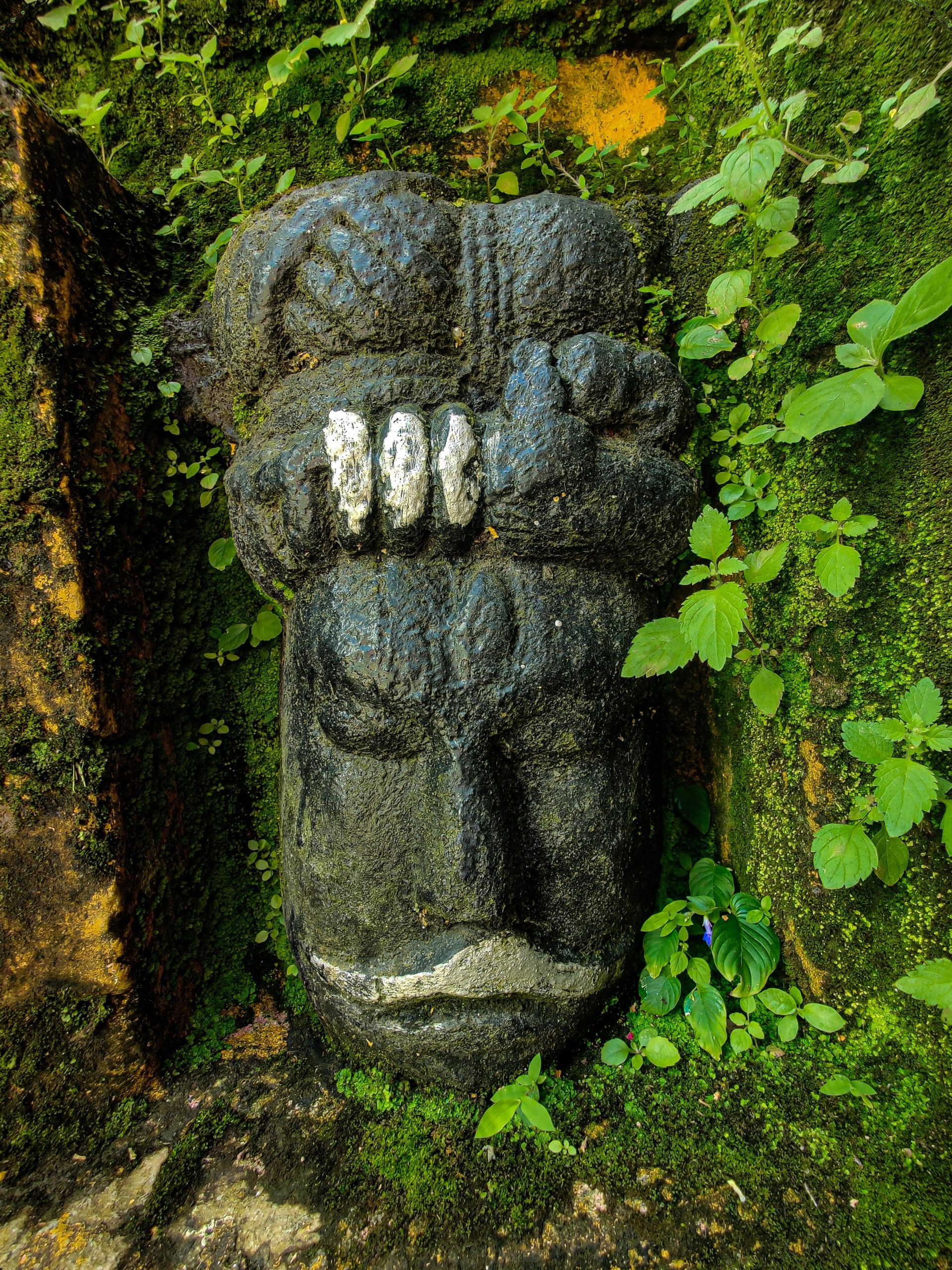
A journey to the five hidden Shiva shrines said to be blessed by divine presence.


A journey to the five hidden Shiva shrines said to be blessed by divine presence.


The Panch Kedar Yatra is one of the most spiritually powerful pilgrimages in Uttarakhand, dedicated to five sacred forms of Lord Shiva. These temples — Kedarnath Temple, Tungnath Temple, Madhyamaheshwar Temple, Rudranath Temple, and Kalpeshwar Temple — form the spiritual backbone of the Garhwal Himalayas. The yatra is rooted in Mahabharata legends and deep Himalayan devotion, drawing thousands of seekers searching online for “Panch Kedar Yatra,” “Panch Kedar itinerary,” “best time for Panch Kedar,” and “Panch Kedar trek route.” The journey takes pilgrims through remote valleys, alpine forests, high-altitude temples, and serene mountain villages, offering a rare blend of mythology, nature and inner transformation.
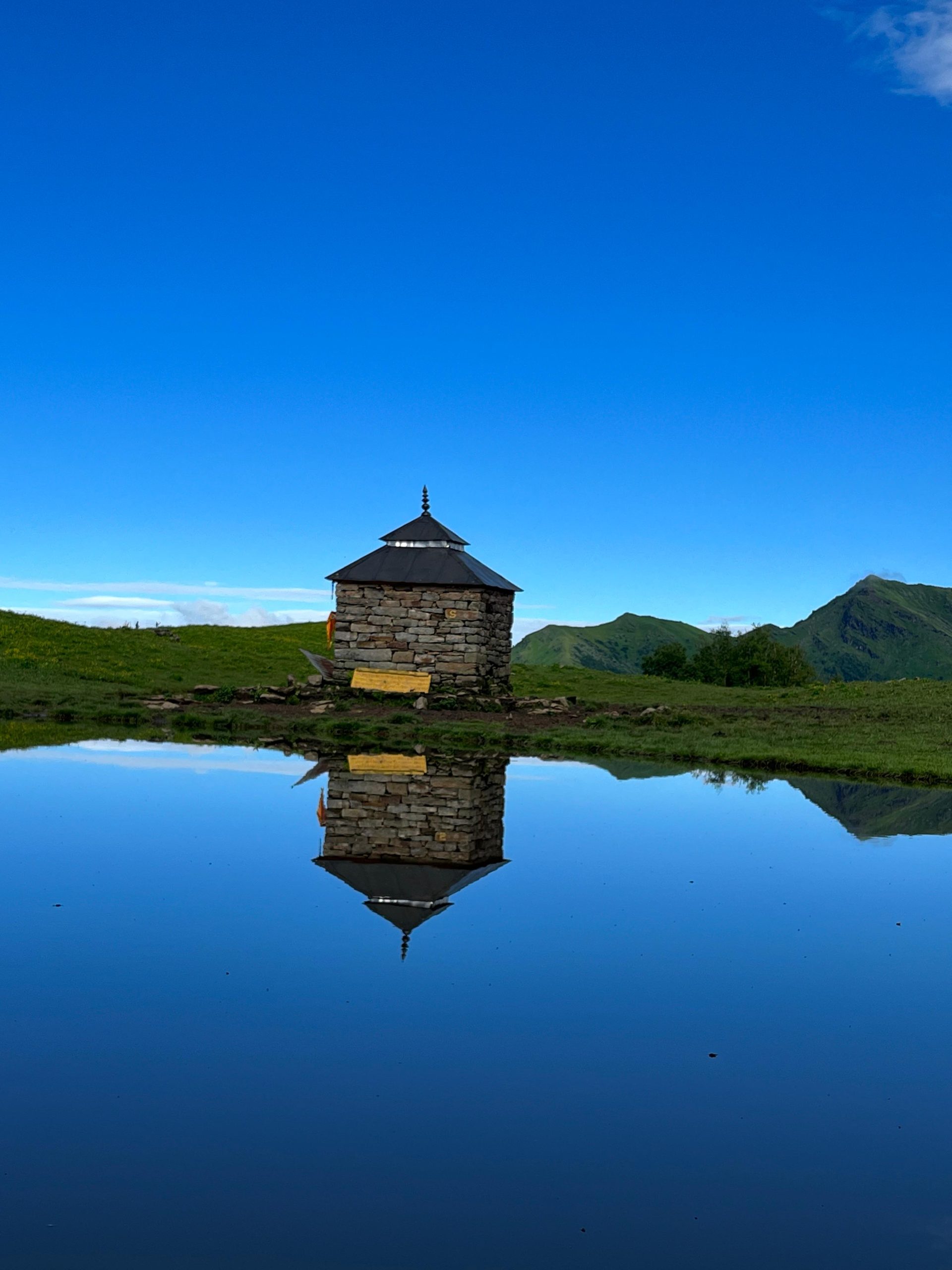
The Panch Kedar Yatra is typically completed over ten to twelve days, covering a mix of road travel and trekking through the Garhwal Himalayas. This pilgrimage honors the five manifestations of Lord Shiva that appeared when the Pandavas sought his forgiveness. Each temple sits in a unique landscape — Kedarnath in a snow-clad valley, Tungnath on one of the highest temple ridges in the world, Madhyamaheshwar in a serene meadow basin, Rudranath hidden deep in dense forests, and Kalpeshwar nestled within the mystical Urgam Valley. Because no two temples share the same terrain or altitude, the yatra becomes a rich blend of spiritual depth and Himalayan adventure. For many travellers, this pilgrimage becomes a life-changing journey, often researched online through keywords such as “Panch Kedar trek,” “Panch Kedar route map,” and “Panch Kedar complete tour.”
The journey begins from Rishikesh, the traditional gateway to the Himalayas. The first destination is Kedarnath, reached via Sonprayag and a 16–18 km trek or helicopter option. After seeking blessings at Kedarnath, travellers continue to Tungnath, the world’s highest Shiva temple, followed by a short ascent to the panoramic Chandrashila peak. The route then leads into the remote villages near Ukhimath to approach Madhyamaheshwar, a peaceful valley temple surrounded by towering peaks. The next stretch to Rudranath is the most mystical part of the yatra — an extended trek through dense forests, alpine meadows and mist-filled ridges. The final temple, Kalpeshwar, is the easiest to reach and remains open throughout the year. After completing all five Kedars, the journey circles back toward Rishikesh, completing a sacred loop of devotion and exploration.
The ideal months for the Panch Kedar Yatra are May to June and September to October. These periods offer stable weather, safe trekking conditions and accessible temple routes. Spring welcomes travelers with blooming rhododendrons and clear skies, while post-monsoon months reveal the Himalayas at their most majestic. Winter covers the high-altitude temples in snow, rendering routes to Kedarnath, Tungnath, Madhyamaheshwar and Rudranath inaccessible, though Kalpeshwar remains open. Most online searches relate to “Panch Kedar yatra dates,” “Panch Kedar opening time,” and “Panch Kedar best season,” reflecting growing interest in planning the pilgrimage properly.
The solitude level of the Panch Kedar Yatra is relatively high compared to more commercialized routes such as the Char Dham. While Kedarnath receives large crowds, the other temples — especially Rudranath and Madhyamaheshwar — offer deep quiet, remote trails and spiritual stillness. Trekkers often walk through long forest stretches where only the sound of wind, streams and birds accompanies them. Tungnath has a moderate footfall, but beyond the main trail, especially toward Chandrashila, solitude returns. Kalpeshwar and the Urgam Valley also retain an untouched atmosphere.
The Panch Kedar circuit involves a combination of road journeys and treks ranging from short walks to full-day hikes. Kedarnath requires the longest trek, while Kalpeshwar is accessed by a short, easy walk. Rudranath is the most demanding section with a 20 km+ trek through deep forests and high ridges. Travelers typically begin from Rishikesh, moving through Guptkashi, Chopta, Ukhimath, Urgam Valley and surrounding regions. The altitudes across the temples range between 7,000 ft and 12,000 ft. Comfortable trekking shoes, layered clothing, rain protection and basic fitness are essential. Most travellers also search online for “Panch Kedar distance,” “Panch Kedar difficulty,” and “how to plan Panch Kedar yatra” before starting.
Pilgrims choose the Panch Kedar Yatra because it offers a rare blend of mythology, natural beauty and spiritual evolution. Each temple carries a powerful legend from the Mahabharata, making the journey emotionally rich and culturally significant. Unlike other yatras, Panch Kedar remains relatively untouched by commercial tourism, preserving its authenticity. The landscapes change dramatically at every Kedar — from glacier valleys to forest sanctuaries and from meadow basins to hidden shrines — making it one of the most diverse Himalayan experiences. The trek appeals to spiritual seekers, adventure lovers, photographers and those who want a deeper connection with the Himalayas beyond mainstream routes.
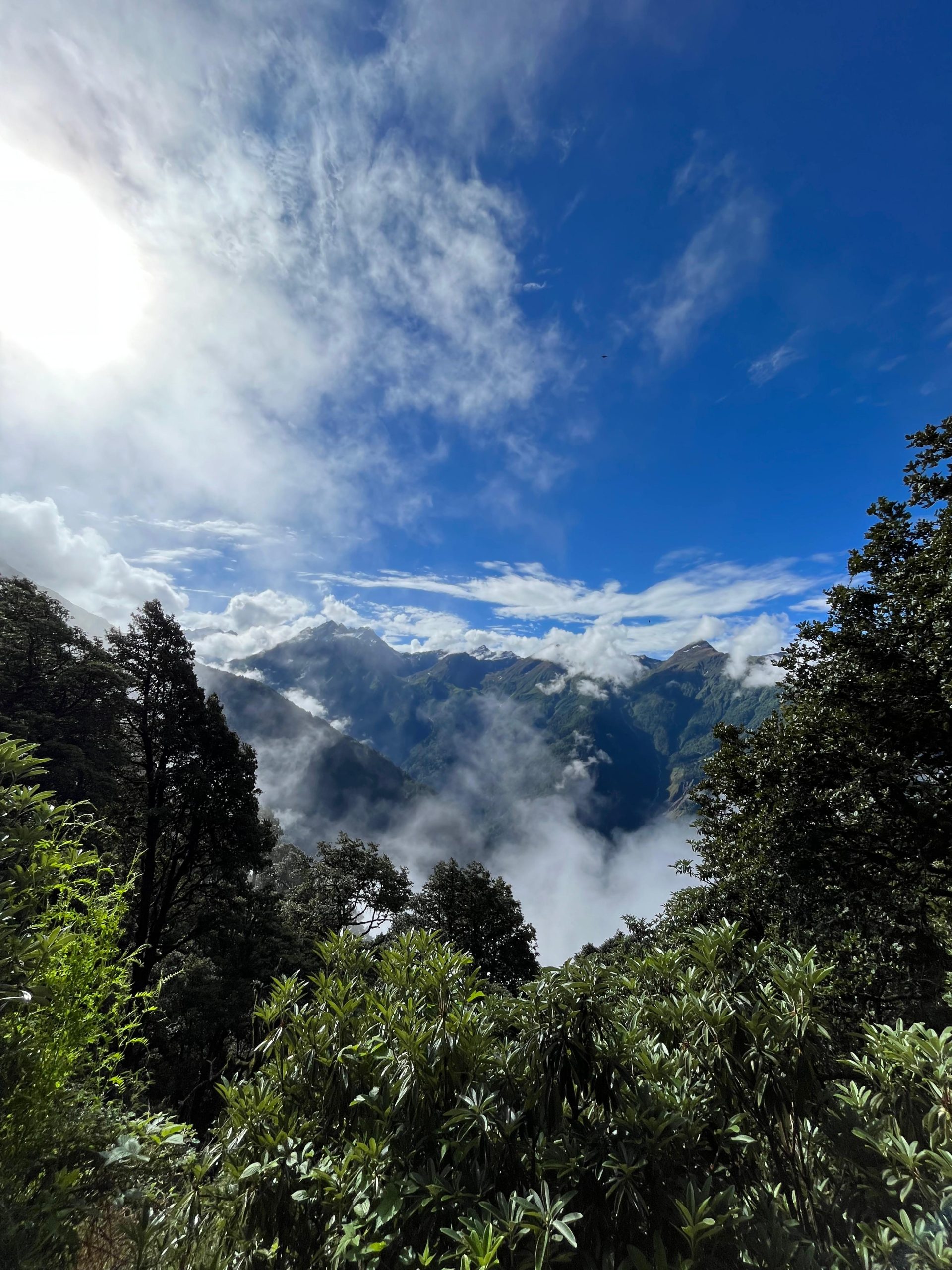
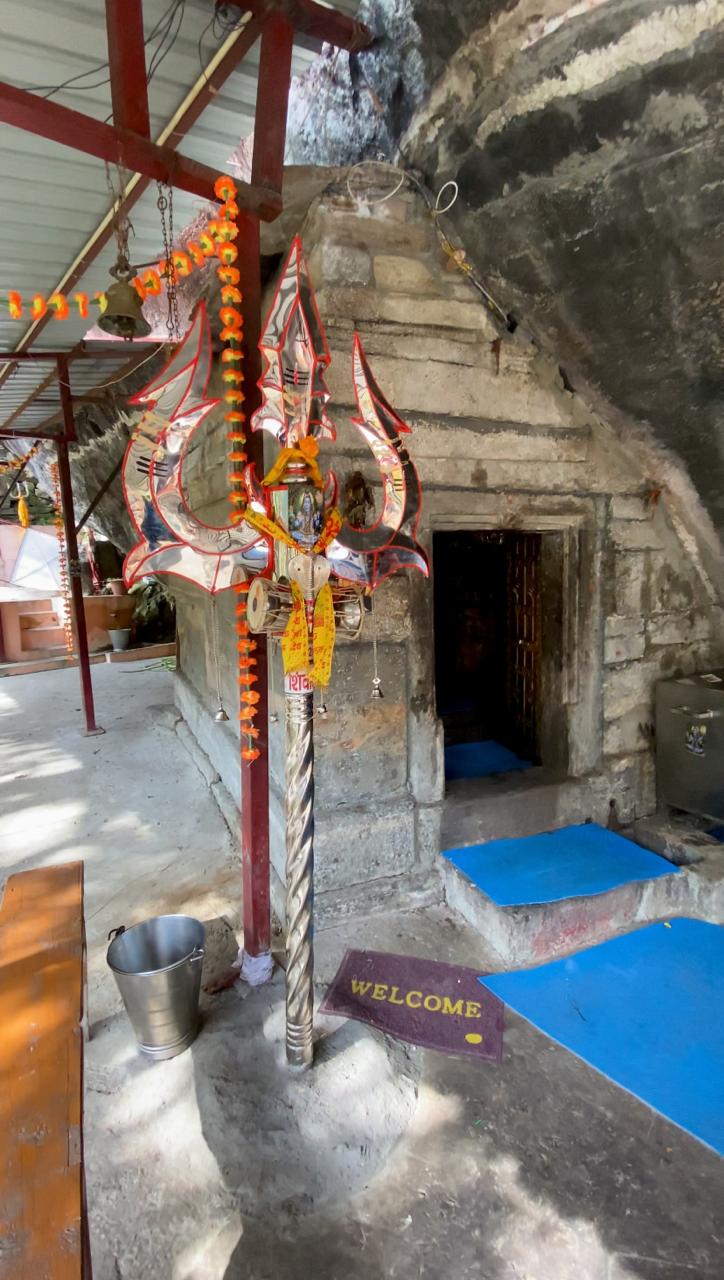
The highlights of the journey include the sacred aura of Kedarnath, the breathtaking ridge of Tungnath and the sunrise from Chandrashila, where the Himalayan peaks glow gold. Madhyamaheshwar offers serene mountain pastures and a quiet temple courtyard that feels frozen in time. Rudranath’s trail passes through some of the densest and most magical forests in Uttarakhand, making it a favourite for nature lovers and photographers. Kalpeshwar’s mystical cave shrine provides a peaceful conclusion to the pilgrimage. Activities across the yatra include high-altitude trekking, forest exploration, meadow walks, photography, sunrise hikes, spiritual rituals, local village interactions, and meditative time spent in ancient temples. Search trends frequently include “Panch Kedar trek route,” “Tungnath Chandrashila trek,” “Madhyamaheshwar trek,” and “Rudranath trek difficulty,” reflecting the growing appeal of this adventure-spiritual circuit.
Your journey begins in the fresh morning air as our coordinator or trip captain picks you up from your informed location in Rishikesh. With the Ganga flowing beside you and the mountains rising ahead, we start our drive toward Guptkashi, a spiritual gateway tucked deep in the Garhwal Himalayas.
As the road winds upward, we pause at the revered Dhari Devi Temple, believed to be the guardian deity of the Char Dham. Further ahead, witness the majestic confluence at Devprayag, where the Bhagirathi and Alaknanda merge to give birth to the Ganga.
We’ll take comfortable breaks along the route for meals and refreshments before continuing the scenic uphill drive.
By evening, we reach Guptkashi and check into your hotel. Enjoy a wholesome dinner and rest well — tomorrow will take you closer to one of the holiest shrines in the Himalayas.
Distance Covered: 180 km
Travel Time: 6–7 hours
Altitude Gain: 372 m → 1,319 m
Begin your day in the early hours as we drive toward Gaurikund, the starting point of your sacred ascent. After a light refreshment, your journey to Kedarnath begins — a legendary trail that can be covered on foot, or with the help of mules, palkis, or pithus, based on your comfort.
As you climb steadily through misty forests, sudden openings reveal sweeping views of the Himalayas, guiding you toward the mighty peaks that guard the Kedarnath Valley. Upon reaching the temple area, check in to your accommodation and take a moment to unwind from the trek.
Later, immerse yourself in the divine experience of Shringar Darshan or the evening Aarti at the sacred Kedarnath Temple. The chants echo through the valley, creating an atmosphere that feels timeless and serene.
Enjoy a warm meal at night and rest deeply; tomorrow brings another step forward in your extraordinary yatra.
Trek Distance: ~16 km
Travel Time: 6–8 hours (depending on pace/choice of transport)
Altitude Gain: 1,319 m → 3,583 m
Rise early before dawn and make your way to the sanctum for the sacred Nirvan Darshan inside the Garbhagriha of Kedarnath. This rare, intimate experience sets a divine tone for the day, followed by visits to the powerful Bhukund Bhairava Temple, Adi Shankaracharya Samadhi, and the serene Retas Kund, each echoing centuries of spiritual energy.
After breakfast, begin your descent from the Kedarnath Valley back toward Gaurikund. The downhill trail brings you through sweeping views, crisp mountain air, and the gentle hum of pilgrims making their way through the Himalayas.
Upon reaching Gaurikund, board your vehicle and return to Guptkashi. In the evening, enjoy a comforting dinner at your hotel and rest well — another beautiful chapter of your yatra awaits tomorrow.
Trek Distance: ~16 km (downhill)
Travel Time: 5–6 hours
Altitude Drop: 3,583 m → 1,319 m
Begin your morning with an early departure from Guptkashi, driving through quiet mountain roads toward Ransi or Goundar, the gateway to the revered Madhyamaheshwar trail. Along the way, pause at the sacred Omkareshwar Temple, an ancient seat of spiritual learning and the winter home of Lord Kedarnath.
As the landscape shifts from bustling pilgrim routes to peaceful village pathways, you’ll reach Ransi/Goundar and check into your accommodation. This serene base village marks the start of your next adventure. The initial section of the trek flows gently downhill from Ransi to Goundar, after which the trail begins its gradual ascent toward Madhyamaheshwar.
Spend the remainder of the day resting, exploring the village surroundings, and preparing yourself for the soulful journey awaiting you tomorrow.
Distance Covered: ~30–35 km drive
Travel Time: 1.5–2 hours
Altitude Gain: 1,319 m → 1,850 m
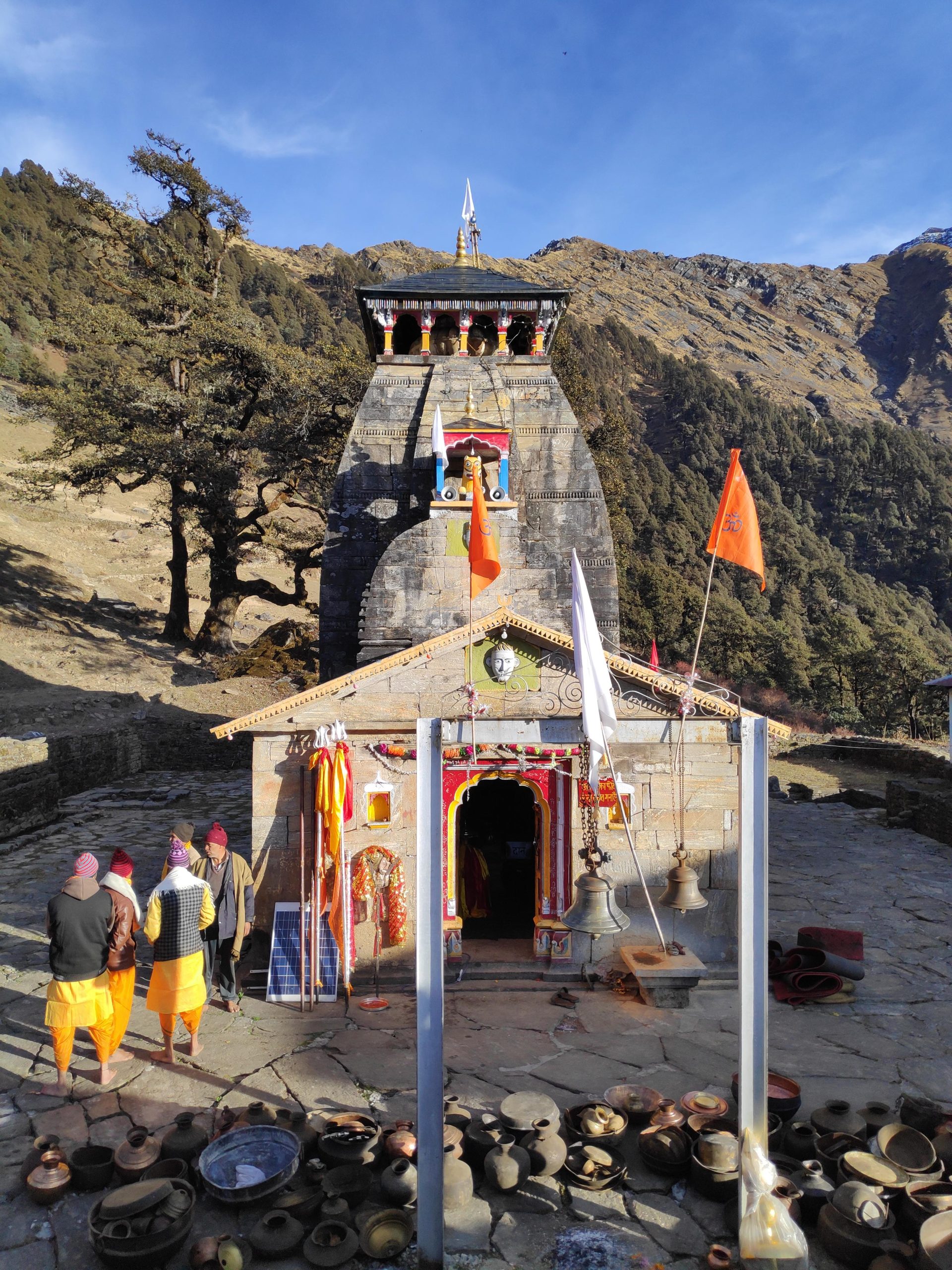
Wake up early and begin your morning rituals as the valley slowly fills with the first light of dawn. Today’s journey takes you from Ransi or Goundar toward the sacred shrine of Madhyamaheshwar, one of the most serene and less-traveled temples of the Panch Kedar.
If you start from Ransi, the trek stretches close to 17 km, weaving through dense forests, lively streams, and traditional Garhwali hamlets. From Goundar, the distance is shorter at around 11 km, but the trail maintains a steady ascent that keeps the spirit of the pilgrimage alive.
Upon reaching Madhyamaheshwar, check into your stay and soak in the peace of this divine valley. As evening arrives, participate in the soulful Aarti at the Madhyamaheshwar Temple, where the chants echo beautifully through the surrounding peaks.
Settle in for an overnight stay at Madhyamaheshwar and rest under a sky full of stars, preparing for another inspiring day ahead.
Trek Distance: 11–17 km (depending on starting point)
Travel Time: 5–7 hours
Altitude Gain: 1,850 m → 3,497 m
Begin your morning with an early ascent toward Budha Madhyamaheshwar, a short yet soul-stirring trek of about 2 km. This trail takes you to one of the most breathtaking vantage points in the region, offering a panoramic sweep of Chaukhamba and the surrounding Himalayan giants. Spend a few quiet moments here as the first light grazes the snow peaks.
Return to Madhyamaheshwar for a warm breakfast, then prepare for your descent. The journey back to Goundar/Ransi begins gently, leading you through forests, meadows, and peaceful village paths. The downhill trek covers roughly 11 km, bringing you back to the comforting rhythm of the lower valley.
By afternoon or early evening, arrive at Goundar or Ransi and settle into your accommodation. Enjoy your dinner and unwind after the long yet rewarding day, surrounded by the calm of the Garhwal Himalayas.
Trek Distance: 13 km total (2 km up + 11 km down)
Travel Time: 5–7 hours
Altitude Change: 3,497 m → 1,850 m
Begin your morning in the tranquil Madhuganga Valley, where the soft light filters through the forests and the air feels crisp with Himalayan freshness. Take a quiet moment to breathe in the serenity before enjoying a comforting breakfast.
Afterward, it’s time to continue your journey toward the third Kedar, Tungnath. From Ransi Village, we set off by road toward Chopta, a picturesque hamlet often called the Mini Switzerland of India. The drive covers roughly 60 km, flowing through pine-scented forests and open meadows, and takes around 2 to 3 hours depending on the mountain roads.
Upon reaching Chopta, check in to your stay and settle into the peaceful surroundings. The evening is yours to relax, explore the landscape, or simply prepare for the sacred Tungnath trek awaiting you tomorrow.
Distance Covered: ~60 km
Travel Time: 2–3 hours
Altitude Gain: 1,850 m → 2,680 m
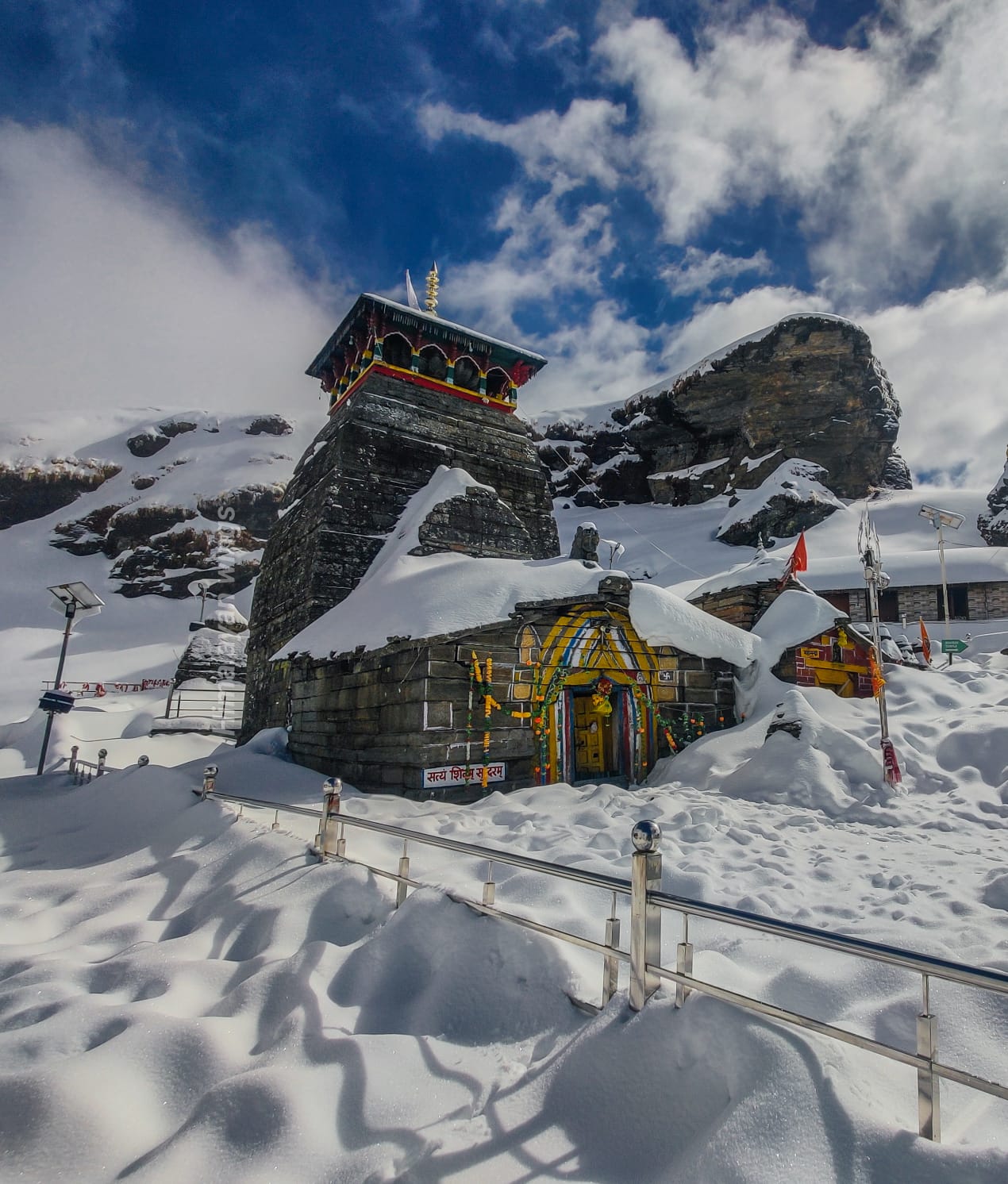
Wake up to the crisp mountain air of Chopta and prepare for one of the most iconic Himalayan pilgrimages. After a warm breakfast, begin your trek to Tungnath Temple, the highest Shiva temple in the world. The trail stretches for about 3.5 km, gently ascending through rhododendron forests and stone-paved paths, taking 2 to 3 hours one way.
As you approach the temple, the landscape opens into grand Himalayan vistas, and the divine stillness of Tungnath surrounds you. Spend time exploring the sacred complex, absorbing its ancient energy and the breathtaking views of Chandrashila towering above.
After your visit, trek back down to Chopta and enjoy a refreshing break. Soon after, begin your road journey toward Sagar Village, located around 33 km away. The drive flows through winding forest roads and serene mountain settlements and takes about 3 to 4 hours depending on the terrain.
By evening, arrive in Sagar Village and check into your stay. Relax, enjoy a comforting dinner, and rest up for the next chapter of your Panch Kedar journey.
Trek Distance: 7 km round trip
Travel Time: 2–3 hours up, 1.5–2 hours down
Drive Distance: 33 km
Drive Time: 3–4 hours
Altitude Change: 2,680 m → 3,680 m (Tungnath) → 1,950 m (Sagar)
Begin your morning with an early and energizing breakfast in Sagar Village, preparing yourself for a scenic and rewarding day on the trail. Today’s journey takes you toward the vast and beautiful Lwiti Bugyal, one of the region’s most pristine alpine meadows.
Set off on your trek, covering approximately 11 km through oak forests, rolling ridgelines, and open grasslands that offer ever-expanding Himalayan views. As you climb higher, the air turns fresher, the silence deeper, and the landscape more enchanting with every step.
Upon reaching Lwiti Bugyal, settle into your shared camps, set up in a rustic shepherd-style arrangement. The rest of the evening is yours to unwind — stroll across the meadow, relax among the wildflowers, or simply sit back and watch the golden light drift across the mountains.
Enjoy a warm dinner at the campsite as the stars appear in grand Himalayan fashion. Spend the night in your cozy camp, embraced by the quiet magic of the high-altitude meadow.
Note: Common toilets are available at the campsite and regulated by a government body.
Trek Distance: ~11 km
Travel Time: 5–7 hours
Altitude Gain: 1,950 m → 3,300 m
Today’s journey brings you closer to the heart of your Panch Kedar pilgrimage — the revered Rudranath Temple. Begin your morning with a wholesome breakfast at the Lwiti Bugyal campsite, taking a final moment to enjoy the meadow’s quiet beauty before stepping onto the trail.
The trek ahead follows a clearly marked mountain route, winding through high-altitude forests, rolling alpine ridges, and sweeping valleys that open into magnificent views of the Nanda Devi and Trishul ranges. As you approach Rudranath, the landscape turns deeply spiritual, wrapped in silence and Himalayan mystique.
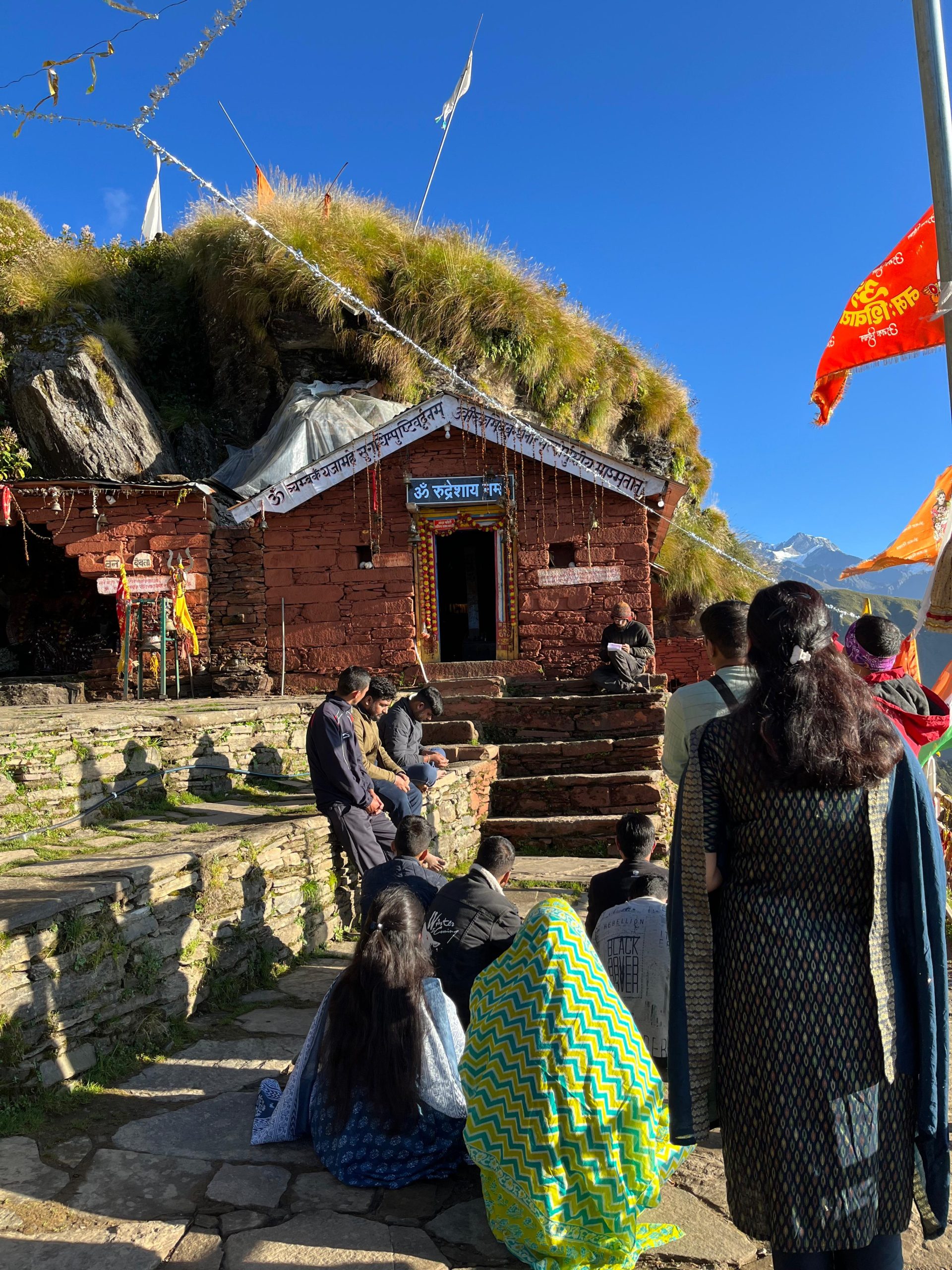
Upon reaching Rudranath Temple, take your time exploring the ancient stone shrine and its sacred surroundings. Offer your prayers, soak in the peaceful atmosphere, and spend a few quiet moments in reflection — the energy here feels timeless and soul-stirring.
For the night, settle into your shared camps set up near the temple. Enjoy a warm dinner and rest under the vast Himalayan sky as the temple bells echo softly across the valley.
Note: Common toilets are available at the campsite and regulated by a government body.
Trek Distance: 8–10 km (approx., depending on campsite location)
Travel Time: 5–7 hours
Altitude Gain: 3,300 m → 3,600 m
Wake before dawn to witness the spectacular sunrise over Rudranath, where the first rays spill over the Himalayan peaks and illuminate the ancient stone temple in a golden glow. The serenity of this moment is unforgettable and marks a beautiful close to your time in this sacred valley.
After breakfast, begin your descent back toward Sagar Village. The return journey feels lighter and more manageable, guiding you through familiar ridgelines, quiet forests, and sweeping meadows as you gradually retrace your steps down the mountain.
By late afternoon or early evening, you’ll arrive in Sagar Village, where comfort and warmth await. Settle in, enjoy a hearty dinner, and rest well after the long, rewarding descent.
Trek Distance: 12–14 km (depending on campsite route)
Travel Time: 5–7 hours
Altitude Drop: 3,600 m → 1,950 m
Wake up gently and begin your morning with a warm cup of tea or coffee, easing into the calm of the Himalayan morning. After completing your daily routine, set off from Sagar Village for your next destination — the serene and spiritually rich Devgram Village, nestled within the picturesque Urgam Valley.
The drive covers around 62 km, taking you through winding mountain roads and charming settlements. As you pass Helang, the terrain opens into the lush green beauty of Urgam Valley, known for its terraced fields, orchards, and untouched landscapes.
Upon reaching Devgram, make your way to the sacred Kalpeshwar Temple, the fifth and final Kedar of the Panch Kedar circuit. This ancient shrine, set deep within the valley, offers a peaceful and intimate atmosphere ideal for reflection and gratitude.
Spend the night in Devgram, a village celebrated for its fresh apples, rich rajma, and warm Himalayan hospitality. Enjoy dinner and rest well amid the quiet whispers of the valley.
Distance Covered: ~62 km
Travel Time: 3–4 hours
Altitude Gain: 1,950 m → 2,200 m
After a peaceful night in Devgram, begin your day with breakfast and prepare for your journey back to Rishikesh. As you leave the quiet beauty of Urgam Valley behind, the road gradually opens into the deep river valleys and forested cliffs of the lower Himalayas.
This scenic drive covers approximately 247 km, weaving through some of the most sacred river confluences of the Garhwal region. Along the way, pause to witness the powerful meeting of rivers at the holy Nand Prayag, Karnaprayag, and Rudraprayag — each a spiritually significant point where the Alaknanda joins with other Himalayan waters on its path to becoming the Ganga.
Enjoy the shifting landscapes, from rugged highlands to lush valleys, as you continue your descent. By evening, you’ll arrive in Rishikesh, completing your journey through the Panch Kedar with a heart full of memories and blessings.
Distance Covered: ~247 km
Travel Time: 8–9 hours
Altitude Change: 2,200 m → 340 m
The Panch Kedar Yatra is a sacred pilgrimage in Uttarakhand that covers five holy temples dedicated to Lord Shiva. These include Kedarnath Temple, Tungnath Temple, Madhyamaheshwar Temple, Rudranath Temple, and Kalpeshwar Temple.
The full Panch Kedar Yatra generally takes 10 to 12 days depending on trekking pace, weather conditions and temple sequence. While Kedarnath and Tungnath are accessible within shorter durations, Madhyamaheshwar, Rudranath, and Kalpeshwar require deeper travel into remote valleys.
The most suitable months for this pilgrimage are May to June and September to October, when the weather is stable and trekking routes remain open. The monsoon makes some trails slippery, while winter snow closes access to all temples except Kalpeshwar.
The difficulty level of the Panch Kedar circuit ranges from moderate to difficult, depending on the temple. Kedarnath and Tungnath are beginner-friendly, whereas Madhyamaheshwar demands moderate trekking, and Rudranath is considered the most challenging due to its long forest trails and altitude gain.
Most yatras begin in Rishikesh or Haridwar, followed by road travel to Sonprayag, Guptkashi, Chopta, Ukhimath and Helang, depending on the temple sequence. Kedarnath requires the longest trek or an optional helicopter ride, Tungnath involves a short hike from Chopta, while the remaining three temples require deeper treks into serene Himalayan valleys.
There is no special permit required specifically for the Panch Kedar Yatra itself. However, pilgrims must complete the mandatory Yatra registration for Kedarnath, which can be done online or at verification centers in Rishikesh and Sonprayag. Some routes around Rudranath and Madhyamaheshwar may require entry logging with local forest authorities for safety tracking, but not formal permits
9027864668
info@themokshaholidays.com