

Discover the rare blessings of Lord Vishnu across Uttarakhand’s five holy Badri temples.
Discover the rare blessings of Lord Vishnu across Uttarakhand’s five holy Badri temples.


The Panch Badri Yatra is a sacred Himalayan pilgrimage in Uttarakhand dedicated to Lord Vishnu in five divine forms. Less crowded than the Char Dham circuit yet deeply spiritual, this journey covers the five revered Badri temples: Badrinath, Yogdhyan Badri, Bhavishya Badri, Vridha Badri, and Adi Badri.
Devotees often search for Panch Badri Yatra package, Panch Badri itinerary, Panch Badri tour from Rishikesh, Badrinath Yatra 2025, and best time for Panch Badri Yatra before planning this sacred journey.
The Panch Badri Yatra is typically completed in 6–8 days starting from Rishikesh, Haridwar, or Dehradun. The pilgrimage takes travelers through the Garhwal Himalayas, along the Alaknanda River valley, reaching altitudes above 10,000 ft at Badrinath.
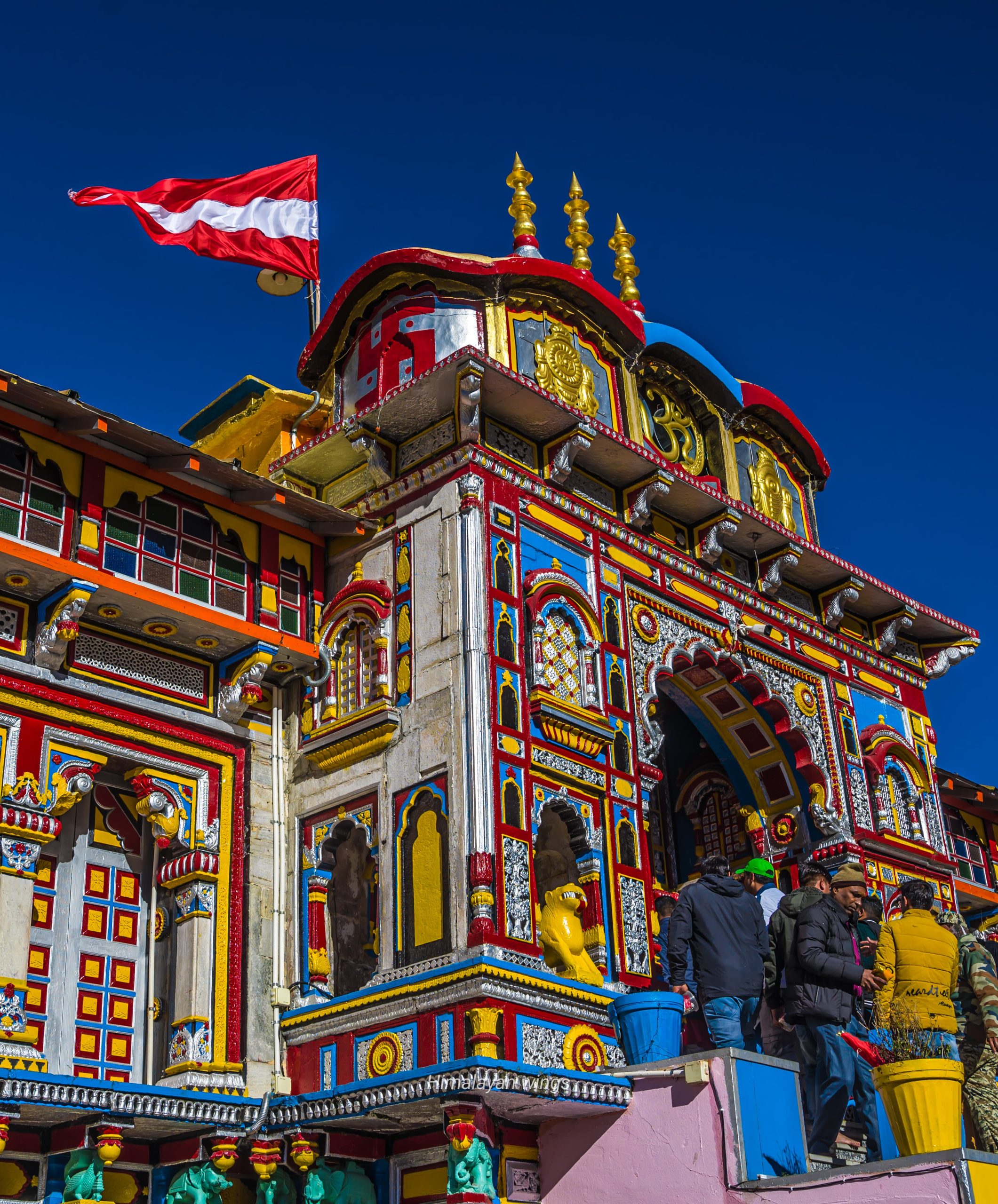
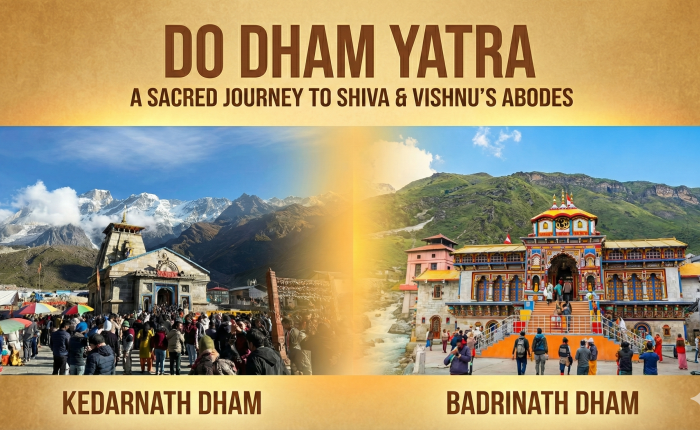
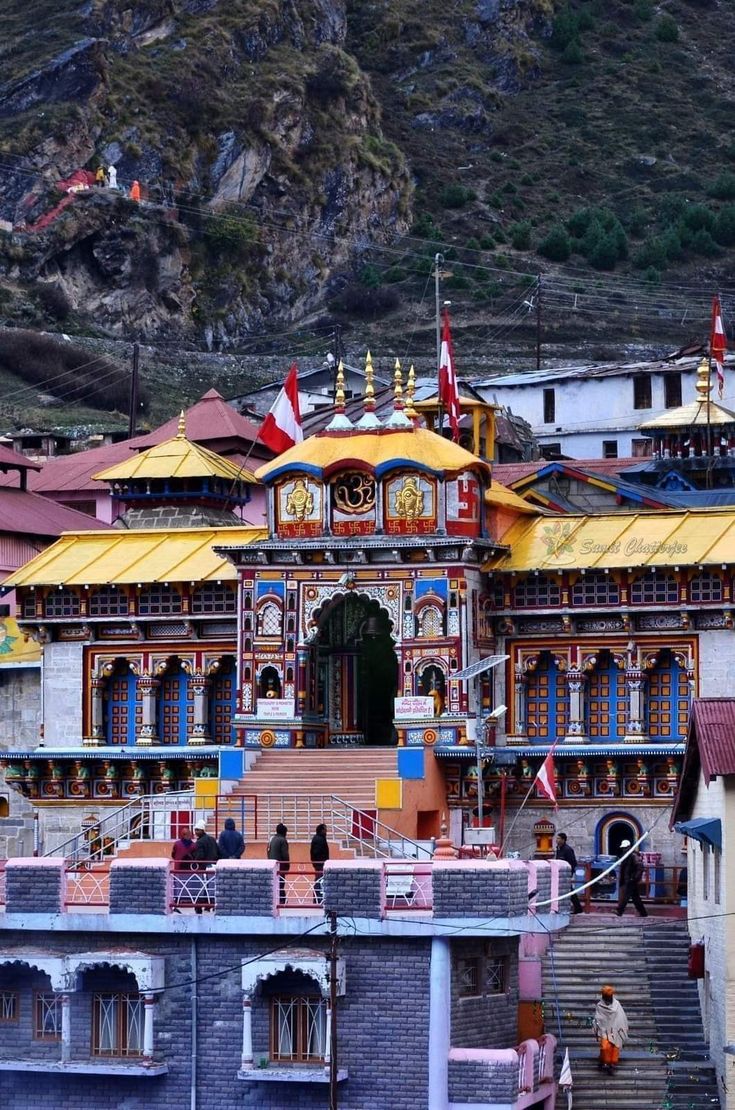
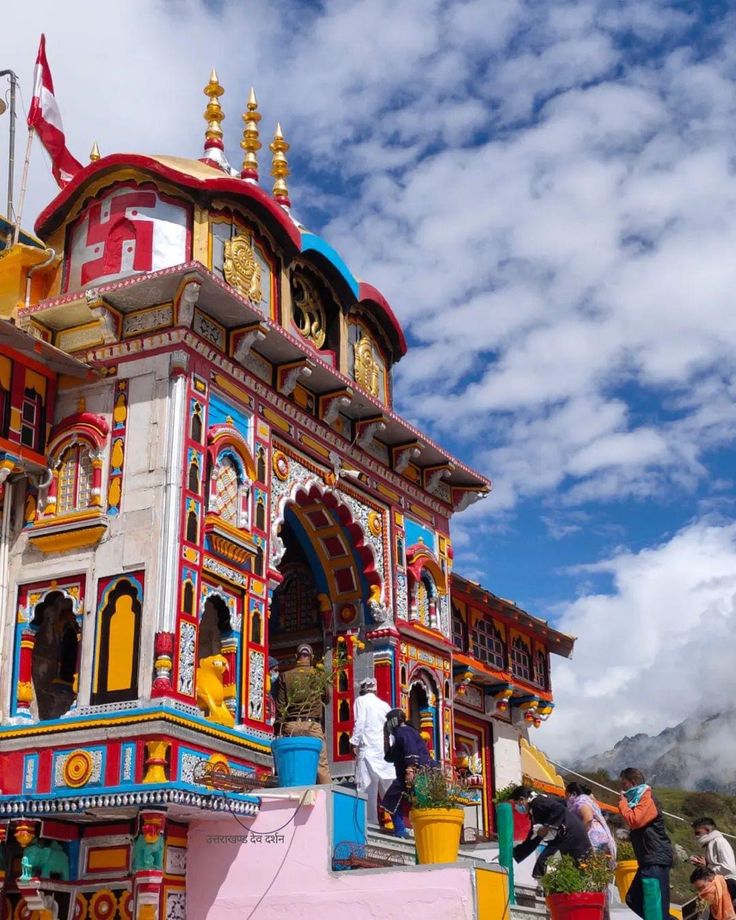
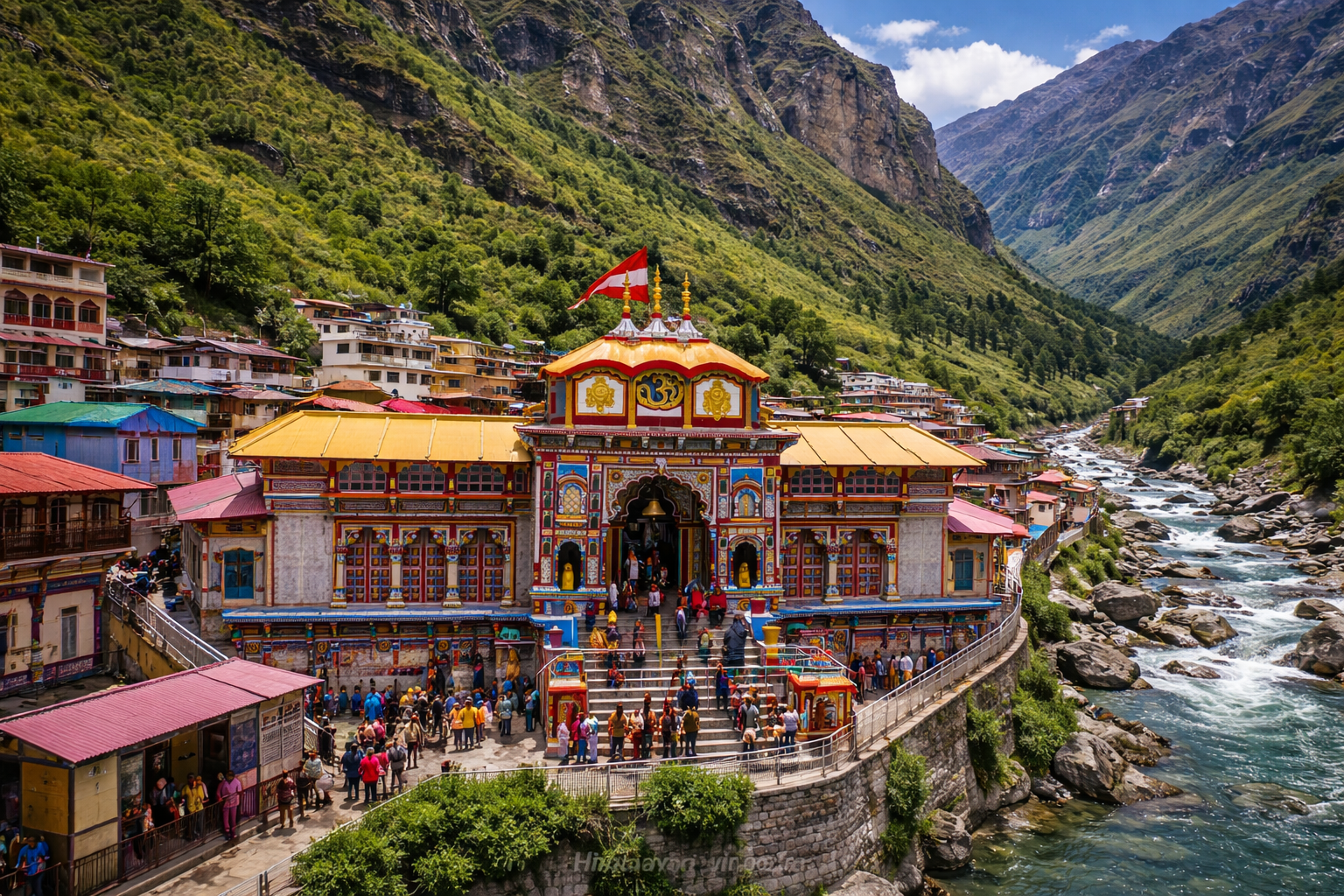
Badrinath Temple – The main and most prominent Badri shrine.
Yogdhyan Badri Temple – Located at Pandukeshwar, associated with the Pandavas.
Bhavishya Badri Temple – Believed to be the future seat of Lord Vishnu.
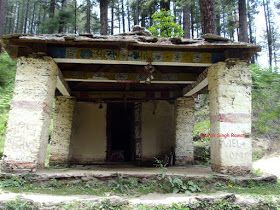
Vridha Badri Temple – The ancient form of Lord Vishnu worshipped in meditation.
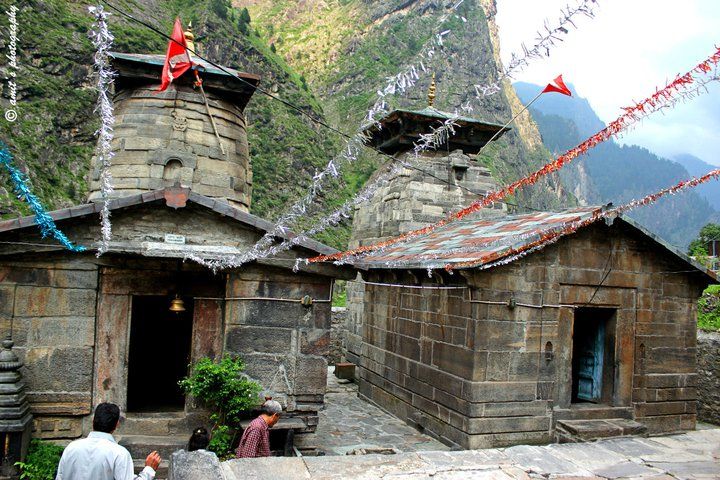
Adi Badri Temple – A group of ancient temples near Karnaprayag.
The journey begins from Rishikesh toward Devprayag and Karnaprayag, visiting Adi Badri Temple near Karnaprayag. The route continues to Joshimath, where travelers explore Vridha Badri Temple at Animath and later visit Bhavishya Badri, which involves a short trek near Subhain village.
The pilgrimage then proceeds to Yogdhyan Badri Temple at Pandukeshwar before reaching the grand Badrinath Temple, the centerpiece of the yatra. Many pilgrims also visit Mana Village and Tapt Kund near Badrinath.
The ideal time to undertake the Panch Badri Yatra is between May and June and September to October. The Badrinath Temple opens around April/May and closes around October/November.
While Adi Badri and Vridha Badri remain accessible most of the year, high-altitude temples like Badrinath and Bhavishya Badri may close during heavy snowfall in winter.
The Panch Badri Yatra offers a high solitude level of 7/10 compared to Char Dham. Except for Badrinath, the other Badri temples are peaceful and less crowded, making it ideal for spiritual seekers looking for a calm pilgrimage experience.
Travelers should prepare for long mountain drives, varying road conditions, and changing weather. Warm clothing is essential even during summer months. No extensive trekking is required except for a short hike to Bhavishya Badri.
Accommodation options range from hotels in Joshimath and Badrinath to guesthouses in smaller towns. Advance booking is recommended during peak pilgrimage season.
The total journey from Rishikesh covers approximately 800–900 km round trip, passing through major river confluences like Devprayag and Karnaprayag.
The Panch Badri Yatra offers a deeper spiritual immersion compared to conventional tours. It allows devotees to explore multiple forms of Lord Vishnu while traveling through breathtaking Himalayan valleys and sacred riverbanks.
Unlike crowded pilgrimage circuits, this journey combines devotion, history, mythology, and serene landscapes. It is ideal for those seeking a meaningful and peaceful Himalayan pilgrimage experience.
The Panch Badri Yatra is a calm, spiritually immersive journey through the Vishnu heartland of the Garhwal Himalayas. Expect a road-dominant pilgrimage that unfolds gently across sacred valleys, ancient temples, and quiet mountain villages. The pace is relaxed, the physical effort is minimal, and the focus remains on darshan, reflection, and understanding the deeper philosophy of Vishnu worship across time. Weather in the higher regions can be cool and unpredictable, facilities are simple in remote areas, and crowds are limited beyond Badrinath — making this yatra ideal for those seeking peace, clarity, and a meaningful Himalayan connection rather than physical challenge.
Expect scenic drives along the Alaknanda River, peaceful temple visits, moderate altitude conditions, and a strong spiritual atmosphere. The Panch Badri Yatra is not just a temple tour but a sacred journey through ancient traditions and Himalayan serenity.
Begin your journey early from Rishikesh, driving deep into the Garhwal Himalayas along the sacred Alaknanda River. The route passes through the holy confluences of Devprayag, Rudraprayag, Karnaprayag, and Nandprayag, where rivers merge and the spiritual rhythm of the yatra gradually sets in.
As you gain altitude, the landscape transforms into narrow valleys, pine-covered slopes, and mountain towns that prepare you for the Vishnu heartland ahead.
Distance Covered: ~255 km
Travel Time: 8–9 hours
Altitude Gain: 340 m → 1,890 m
Start your morning drive toward Badrinath Dham, the principal shrine among the Panch Badri temples. Located between the Nar and Narayan mountain ranges, Badrinath rests beside the Alaknanda River, radiating deep spiritual energy.
After darshan at Badrinath, visit Yogadhyan Badri, where Lord Vishnu is believed to have meditated in deep yogic stillness. The calm surroundings offer a quieter, more introspective experience before descending back toward Joshimath.
Distance Covered: ~90 km
Travel Time: 3–4 hours
Altitude Change: 1,890 m → 3,133 m → 1,890 m
Today’s journey takes you toward Bhavishya Badri, believed to be the future seat of Lord Vishnu when the present age ends. Drive from Joshimath to Subhain Village, followed by a short forest walk through peaceful Himalayan terrain.
The trail is quiet, surrounded by oak forests and mountain silence, enhancing the mystical significance of this temple.
Distance Covered: ~25 km drive + short walk
Travel Time: 3–4 hours
Altitude Gain: 1,890 m → 2,744 m
Descend from Joshimath toward Adi Badri, a cluster of ancient Vishnu temples believed to have been established by Adi Shankaracharya. Unlike the high-altitude Badri shrines, Adi Badri lies in a warmer valley, offering a contrast in landscape and spiritual tone.
Here, stone temples and quiet surroundings reflect the earliest phase of Vishnu worship in the Himalayas.
Distance Covered: ~140 km
Travel Time: 5–6 hours
Altitude Change: 1,890 m → 1,200 m
Begin your journey toward Vriddha Badri, one of the oldest Badri temples, worshipped long before Badrinath gained prominence. The route winds through remote villages, terraced fields, and forested hills, maintaining the slow, reflective pace of the yatra.
Vriddha Badri is believed to be where Vishnu appeared in an aged form, symbolizing wisdom and timelessness.
Distance Covered: ~95 km
Travel Time: 4–5 hours
Altitude Gain: 1,200 m → 1,380 m
Begin your descent back toward Rishikesh, retracing the Garhwal valleys and sacred river routes. As altitude decreases, the mountains slowly open into wider valleys, offering a sense of completion and grounding.
Pass once again through the holy Prayags before reaching Rishikesh by evening.
Distance Covered: ~240 km
Travel Time: 7–8 hours
Altitude Drop: 1,380 m → 340 m
Yes. Panch Badri is one of the most comfortable Himalayan yatras. The journey is largely road-based with only short walks, making it ideal for senior citizens, families, and first-time pilgrims.
Panch Badri is less crowded and less physically demanding.
While Chardham focuses on four major shrines and Panch Kedar involves long treks, Panch Badri offers a deeper Vishnu pilgrimage with peaceful temples and gentle travel days.
The Panch Badri Yatra includes five sacred Vishnu temples in Uttarakhand:
These temples represent different forms of Lord Vishnu and are located in the Garhwal region of Uttarakhand.
Absolutely. You can shorten or extend the itinerary based on your pace, travel preferences, or available days.
The total round-trip distance from Rishikesh for Panch Badri Yatra is approximately 800–900 km, depending on the route and sightseeing detours.
9027864668
info@themokshaholidays.com