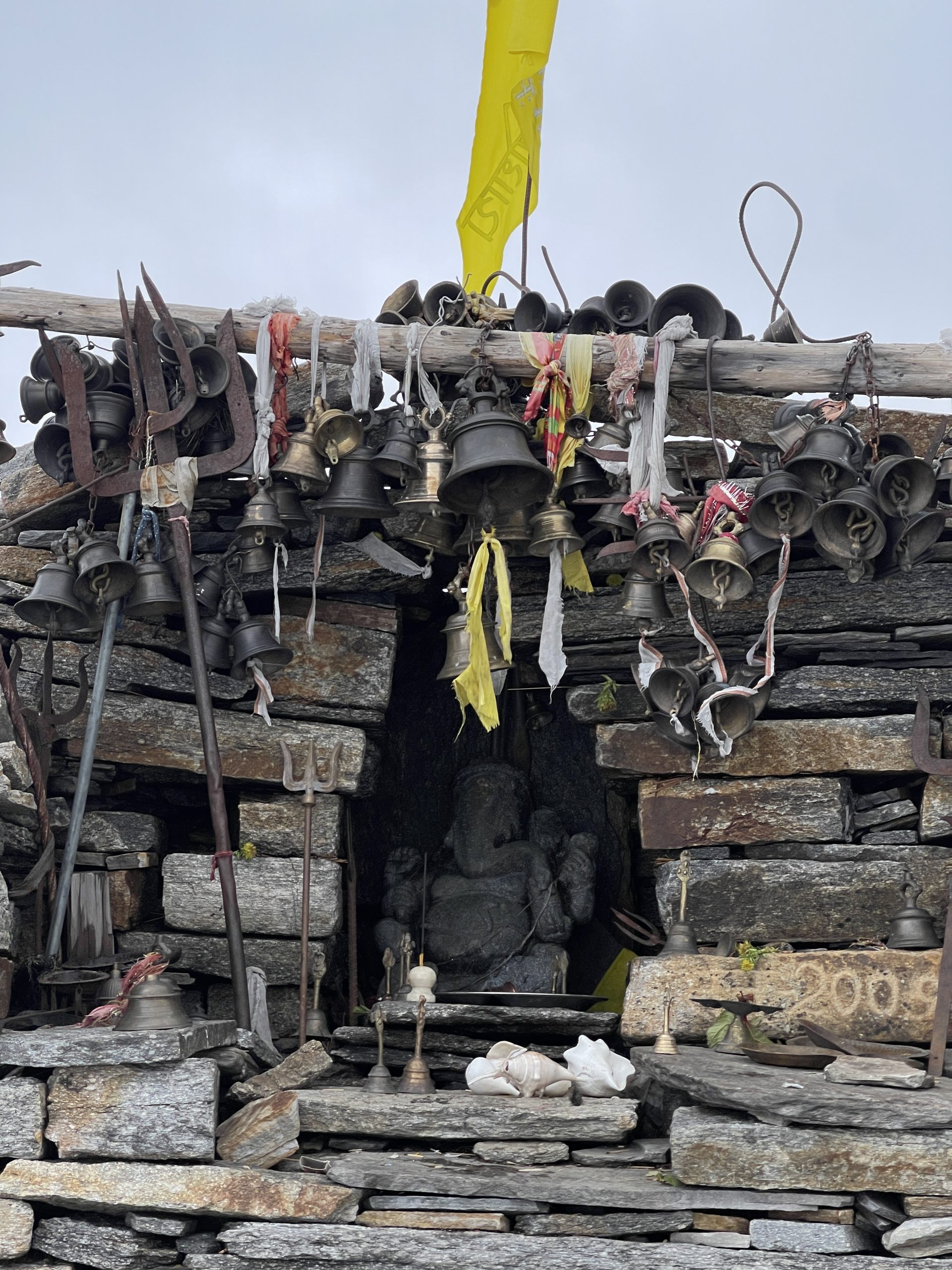


Explore the mysterious Roopkund lake known for its ancient skeletal secrets.
Explore the mysterious Roopkund lake known for its ancient skeletal secrets.


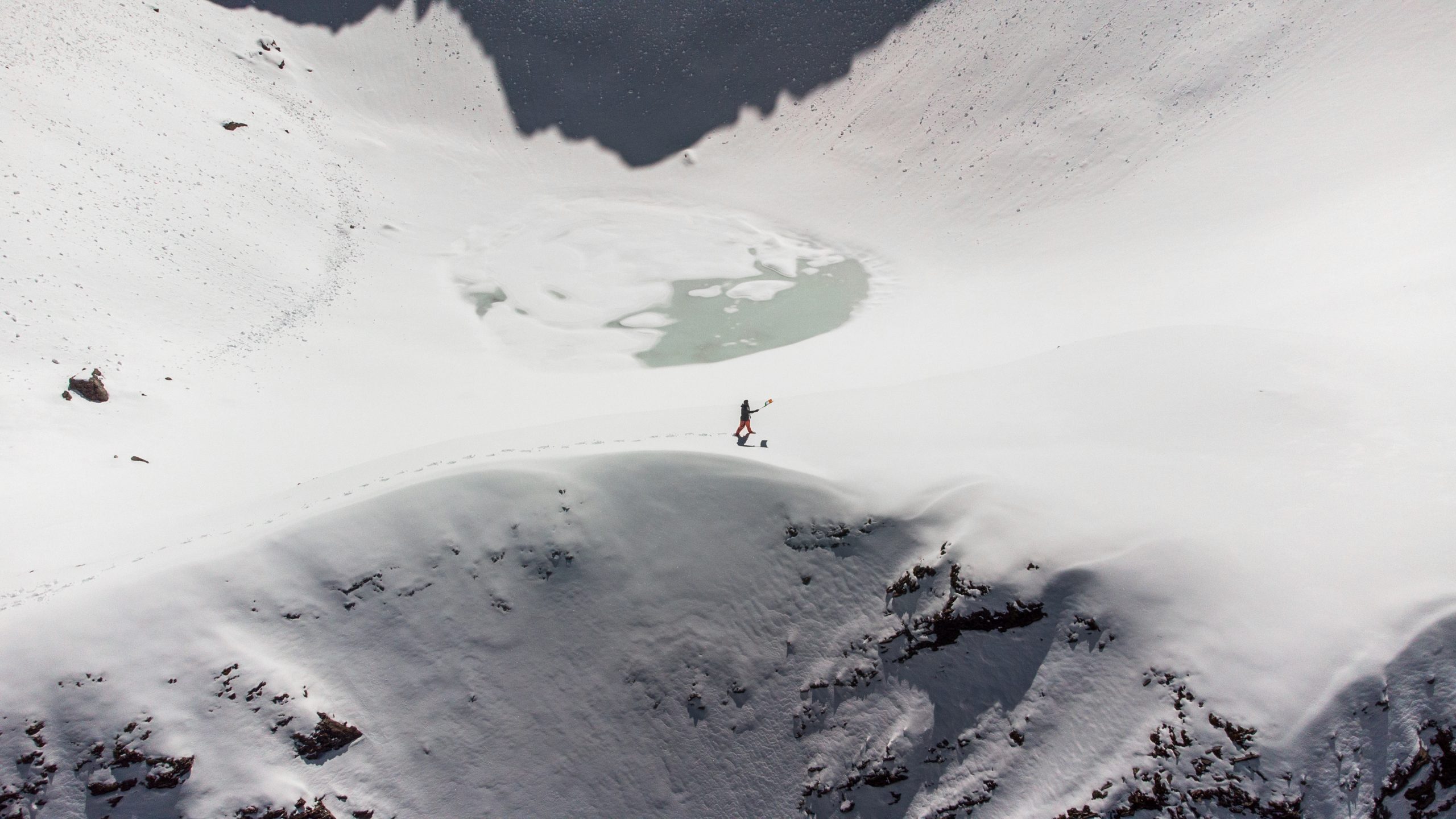
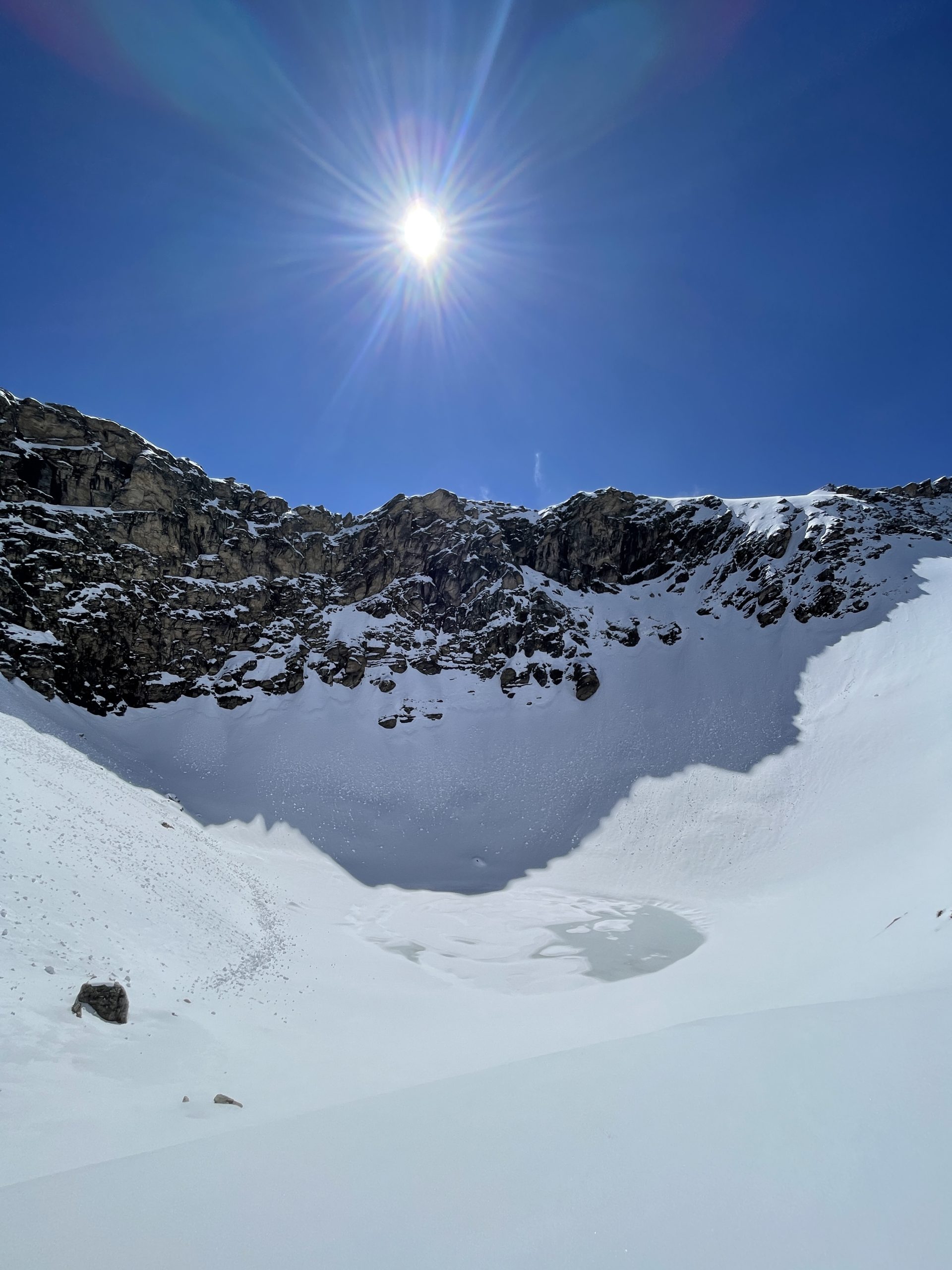
The Roopkund Trek, famously known as the “Skeleton Lake Trek,” is one of the most mysterious and adventurous treks in the Indian Himalayas. Located in Uttarakhand, the trek leads to the high-altitude Roopkund Lake, situated at around 16,499 ft. The lake is known for the human skeletal remains found around its edges, believed to date back centuries, adding an element of intrigue and mystery to the journey.
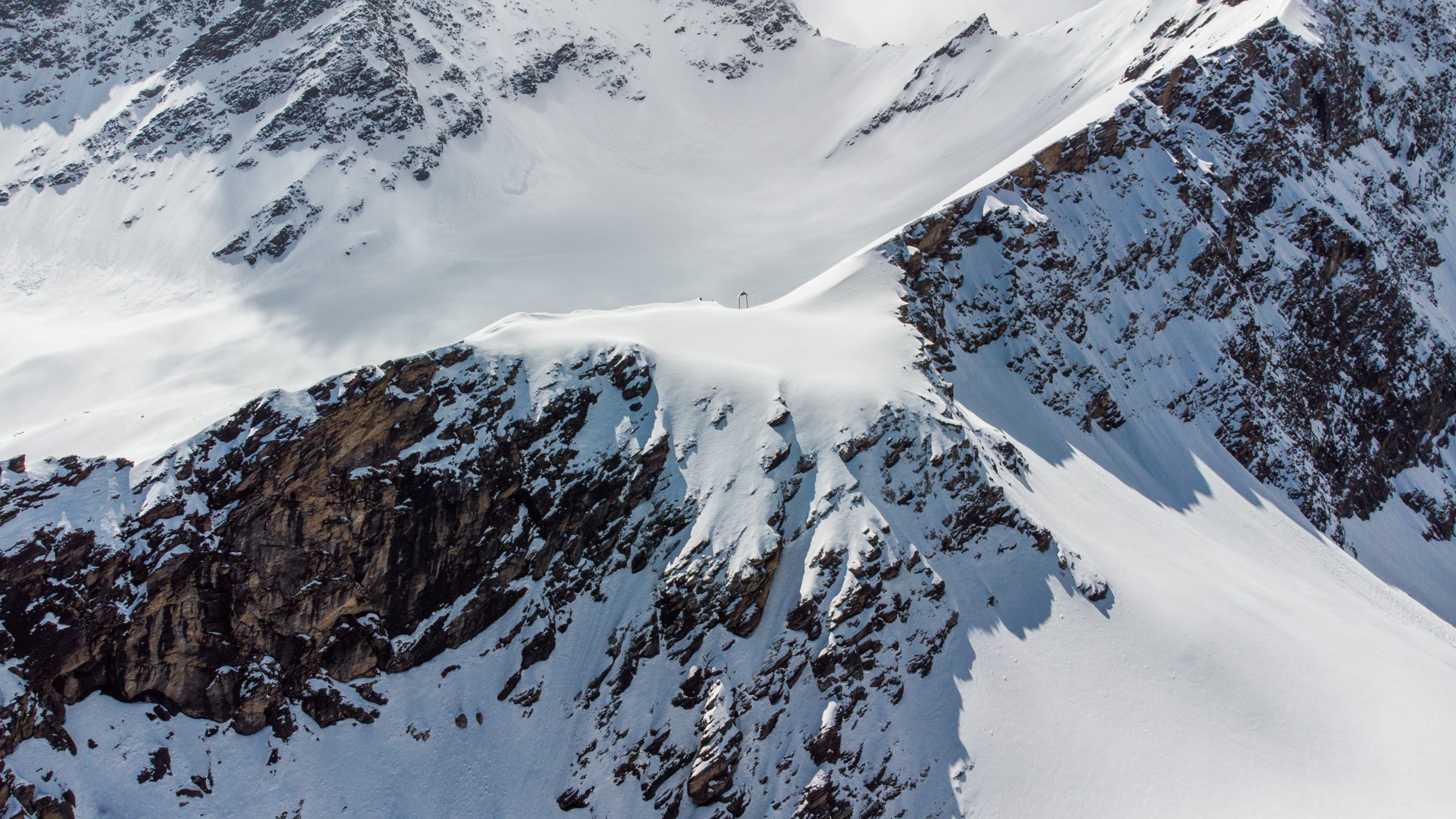
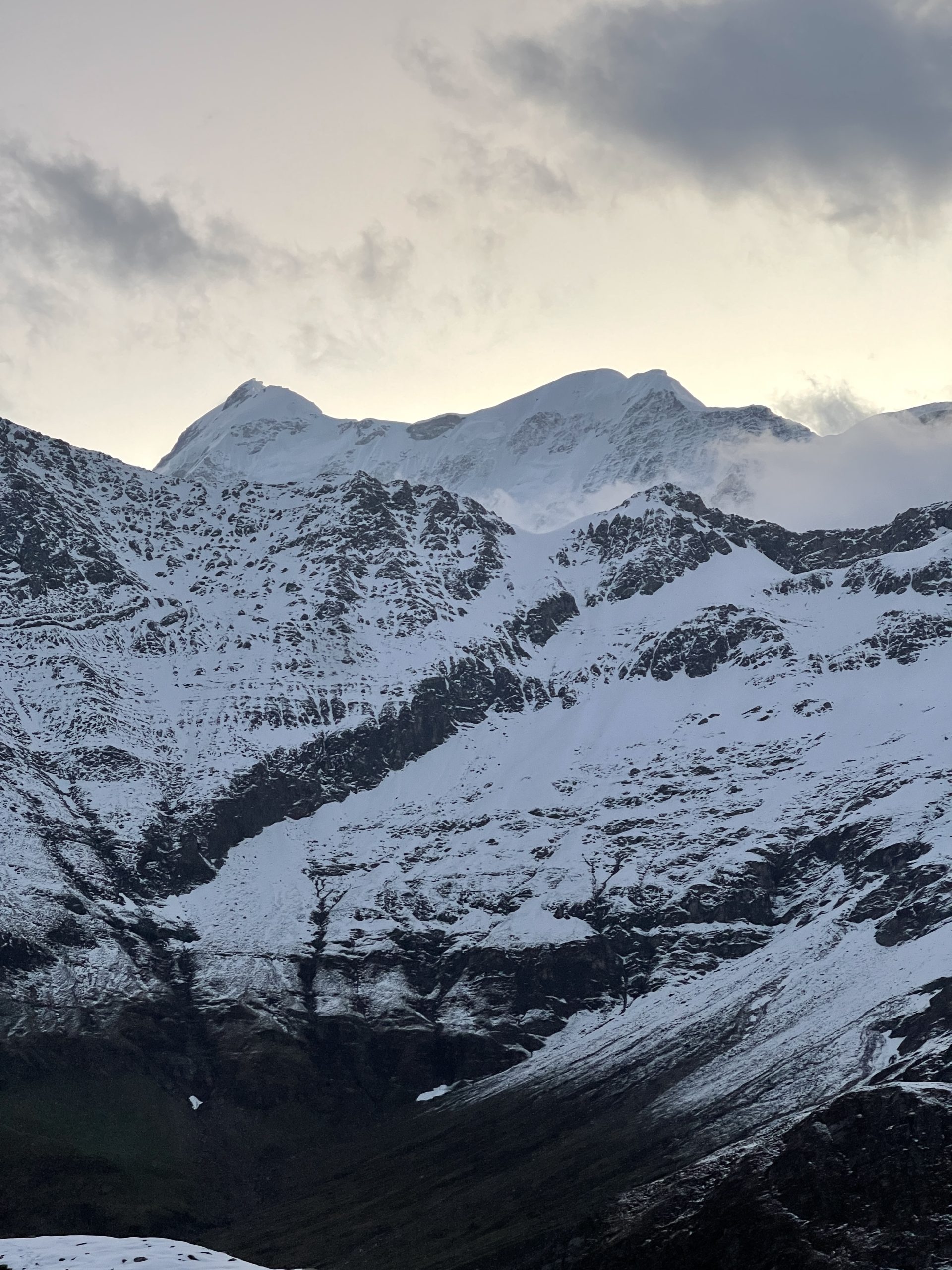
The trek passes through dense forests, alpine meadows and snow-covered trails, offering spectacular views of peaks like Trishul and Nanda Ghunti.
The journey typically begins from Rishikesh or Kathgodam, followed by a scenic drive to Lohajung, the base village of the trek. From Lohajung, trekkers pass through forests and small Himalayan villages before reaching Didna village and Ali Bugyal, one of the most beautiful alpine meadows in India.
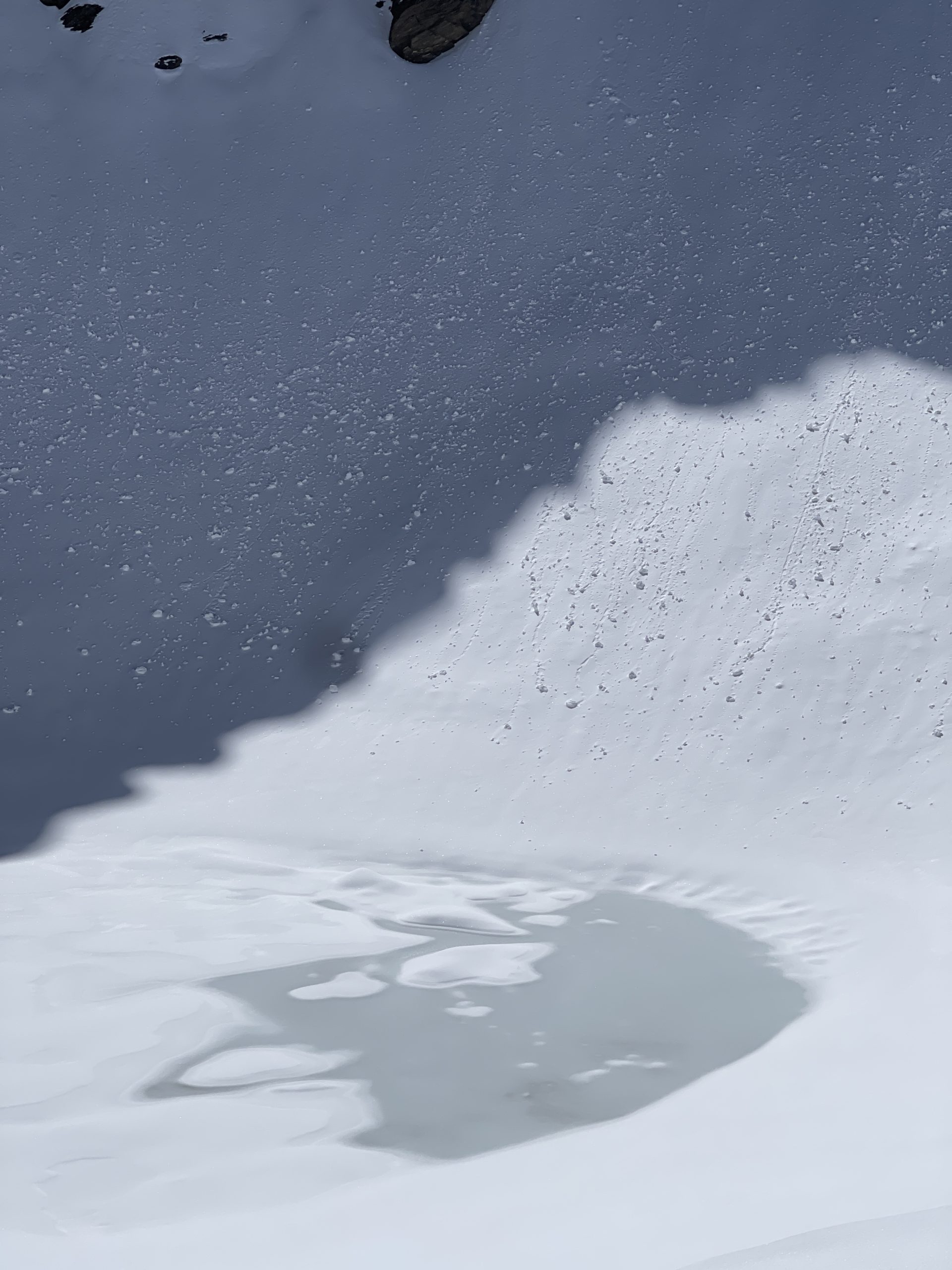
The trek continues through Bedni Bugyal, a vast high-altitude meadow offering breathtaking views of the surrounding Himalayan peaks. One of the most memorable highlights is camping near Bedni Bugyal under a sky full of stars. The trail then ascends toward Bhagwabasa and finally to Roopkund Lake, where trekkers witness the mysterious skeletal remains and the frozen lake surrounded by snow-covered mountains.
Some itineraries also include a climb to Junargali Pass, offering panoramic views of the Himalayan range.
The best time to undertake the Roopkund Trek is May to June and September to October. During these months, the weather is relatively stable and the trekking routes are accessible. Summer offers green meadows and clear skies, while autumn provides crisp air and excellent mountain visibility.
The lake is usually frozen during early summer, while in late summer the skeletons become visible as the ice melts.
The Roopkund Trek offers a moderate level of solitude. While it is a popular trekking route, especially during peak seasons, the vast meadows and high-altitude trails allow trekkers to find peaceful spots away from crowds. Compared to beginner treks, it offers a more immersive and adventurous Himalayan experience.
The Roopkund Trek typically takes 7 to 9 days and covers approximately 50–55 km of trekking distance. The trek reaches high altitudes above 16,000 ft, making it physically demanding and requiring proper acclimatization.
The trek is considered moderate to difficult due to steep ascents, long trekking days and high-altitude conditions. Trekkers should have good fitness levels and some prior trekking experience.
The Roopkund Trek is one of the most unique Himalayan treks because of its mysterious lake and diverse landscapes. From dense forests to alpine meadows and snow-covered mountains, the trek offers constantly changing scenery.
The combination of adventure, history and natural beauty makes it a favorite among trekkers seeking something beyond ordinary trails.
The trek includes several iconic locations such as Roopkund Lake, known for its mysterious skeletal remains, and Ali Bugyal and Bedni Bugyal, which are among the most beautiful alpine meadows in India. The climb to Junargali Pass offers breathtaking views of the Himalayan peaks.
Activities during the trek include high-altitude trekking, camping in alpine meadows, exploring the mystery of Roopkund Lake, landscape photography, snow trekking and experiencing panoramic Himalayan views.
Your journey begins early morning from Rishikesh, climbing steadily into the Garhwal Himalayas. The road winds past Devprayag, Karnaprayag, and forested valleys before reaching Lohajung, the base village for the Roopkund trek. As altitude increases, the air cools and the landscape grows quieter. Evening briefing and rest.
Drive Distance: ~250 km
Time: 10–11 hours
Altitude: ~7,600 ft
Stay: Guesthouse / Homestay
The trek begins with a gradual climb through mixed forests and village trails. You cross suspension bridges and walk beside mountain streams before reaching Didna, a traditional Himalayan village perched on a ridge. This day helps your body adjust to walking and altitude.
Trek Distance: ~7 km
Time: 5–6 hours
Altitude: ~8,000 ft
Stay: Homestay / Tents
Difficulty: Easy to Moderate
Today the trail ascends steadily toward Ali Bugyal, one of the largest alpine meadows in India. Forests slowly disappear, replaced by endless green grasslands and wide skies. Walking here feels expansive and meditative. Camp is set in open meadows with panoramic views.
Trek Distance: ~7 km
Time: 5–6 hours
Altitude: ~11,500 ft
Stay: Camps
Difficulty: Moderate
A relatively easy and scenic walk across rolling meadows. Bedni Bugyal is spiritually significant and visually stunning, with views of Trishul peak dominating the skyline. Visit the Bedni Kund temple and settle into camp.
Trek Distance: ~5 km
Time: 3–4 hours
Altitude: ~11,700 ft
Stay: Camps
Difficulty: Easy
The trail now starts gaining altitude more noticeably. Meadows give way to rocky paths and alpine terrain. The air feels thinner, and walking requires steady pacing. Patar Nachauni is a quiet campsite used mainly for acclimatization and rest.
Trek Distance: ~5 km
Time: 4–5 hours
Altitude: ~13,000 ft
Stay: Camps
Difficulty: Moderate
This is a challenging yet crucial day. The landscape turns stark and dramatic as you approach the higher Himalayan zone. Snow patches are common in early season. Bhagwabasa sits close to Roopkund Lake, offering a raw and exposed camping experience.
Trek Distance: ~4 km
Time: 4–5 hours
Altitude: ~14,500 ft
Stay: Camps
Difficulty: Moderate to Difficult
Summit day begins early. A short but steep climb brings you to Roopkund Lake, silent and haunting beneath Trishul peak. From here, weather permitting, ascend to Junargali Pass, the highest point of the trek. After spending time at the top, descend carefully back to Bedni Bugyal.
Trek Distance: ~11 km
Time: 8–9 hours
Max Altitude: ~16,500 ft
Stay: Camps
Difficulty: Difficult
A steady descent through meadows and forests brings you back to Lohajung. The body feels tired, but the mind feels clear. Evening rest and celebration of completion.
Trek Distance: ~12 km
Time: 6–7 hours
Stay: Guesthouse
Difficulty: Moderate
Drive back to Rishikesh through the same mountain roads, carrying silence, strength, and perspective earned in the high Himalayas.
Drive Distance: ~250 km
Time: 10–11 hours
The Roopkund Trek is considered moderate to difficult because it involves high-altitude trekking above 16,000 ft, steep ascents and long walking hours. Trekkers need good physical fitness and prior trekking experience to complete the trek comfortably.
The best time to undertake the Roopkund Trek is during May to June and September to October, when the weather is stable and trekking routes are accessible. Summer offers green meadows, while autumn provides clear skies and excellent Himalayan views.
The Roopkund Trek typically takes 7 to 9 days, depending on the itinerary and acclimatization schedule. The journey usually starts from Lohajung and includes trekking through Ali Bugyal, Bedni Bugyal and Bhagwabasa before reaching Roopkund Lake.
Yes, trekkers may require forest permits and entry permissions since the trek passes through protected forest areas in Uttarakhand. Most trekking operators arrange these permits as part of the package.
The trek usually starts from Lohajung village, which can be reached by road from Rishikesh or Kathgodam. The journey passes through scenic mountain routes and small Himalayan towns.
9027864668
info@themokshaholidays.com