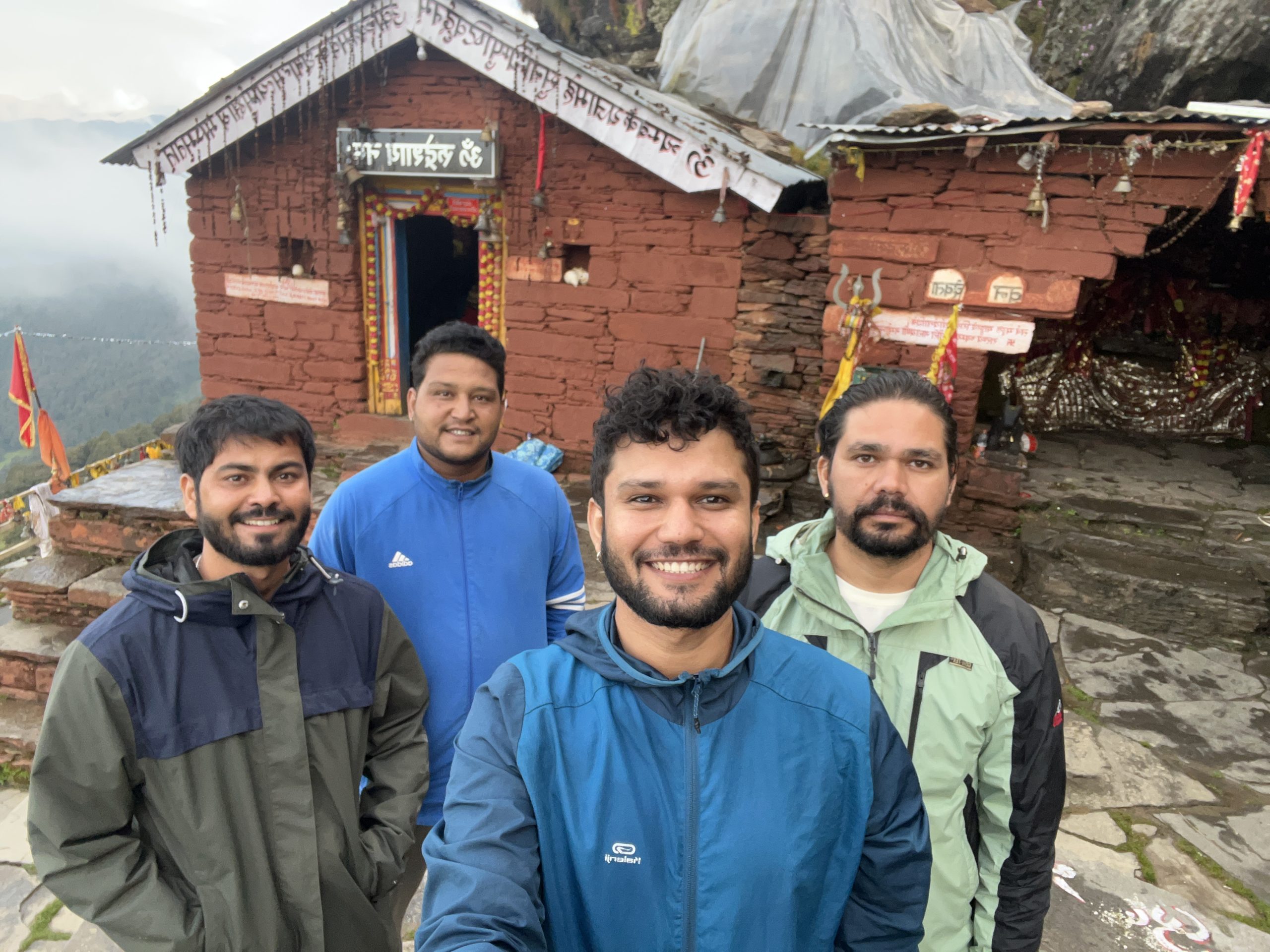


A mystical journey to the cave-like natural temple of Rudranath hidden deep in the mountains.
A mystical journey to the cave-like natural temple of Rudranath hidden deep in the mountains.


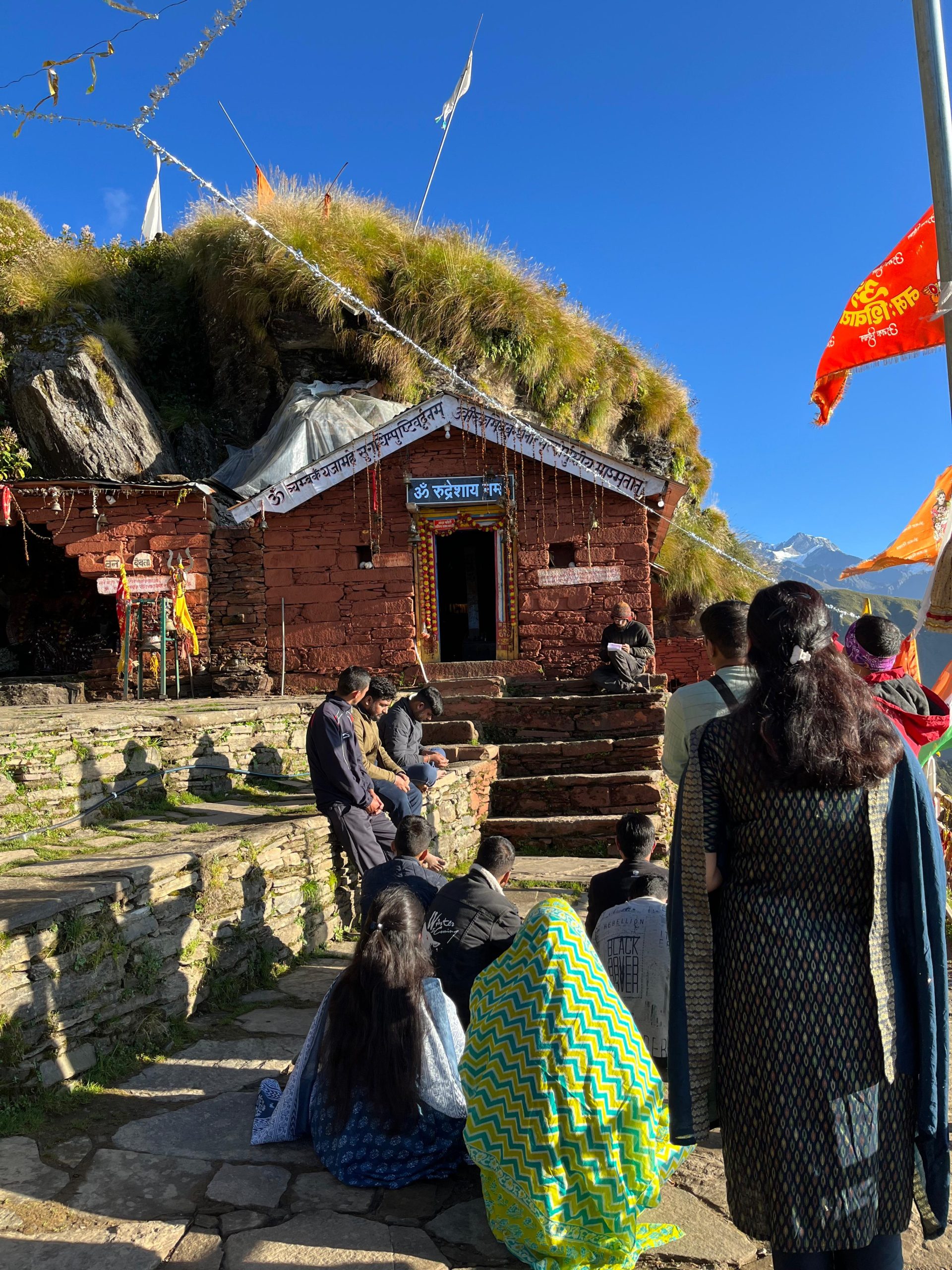
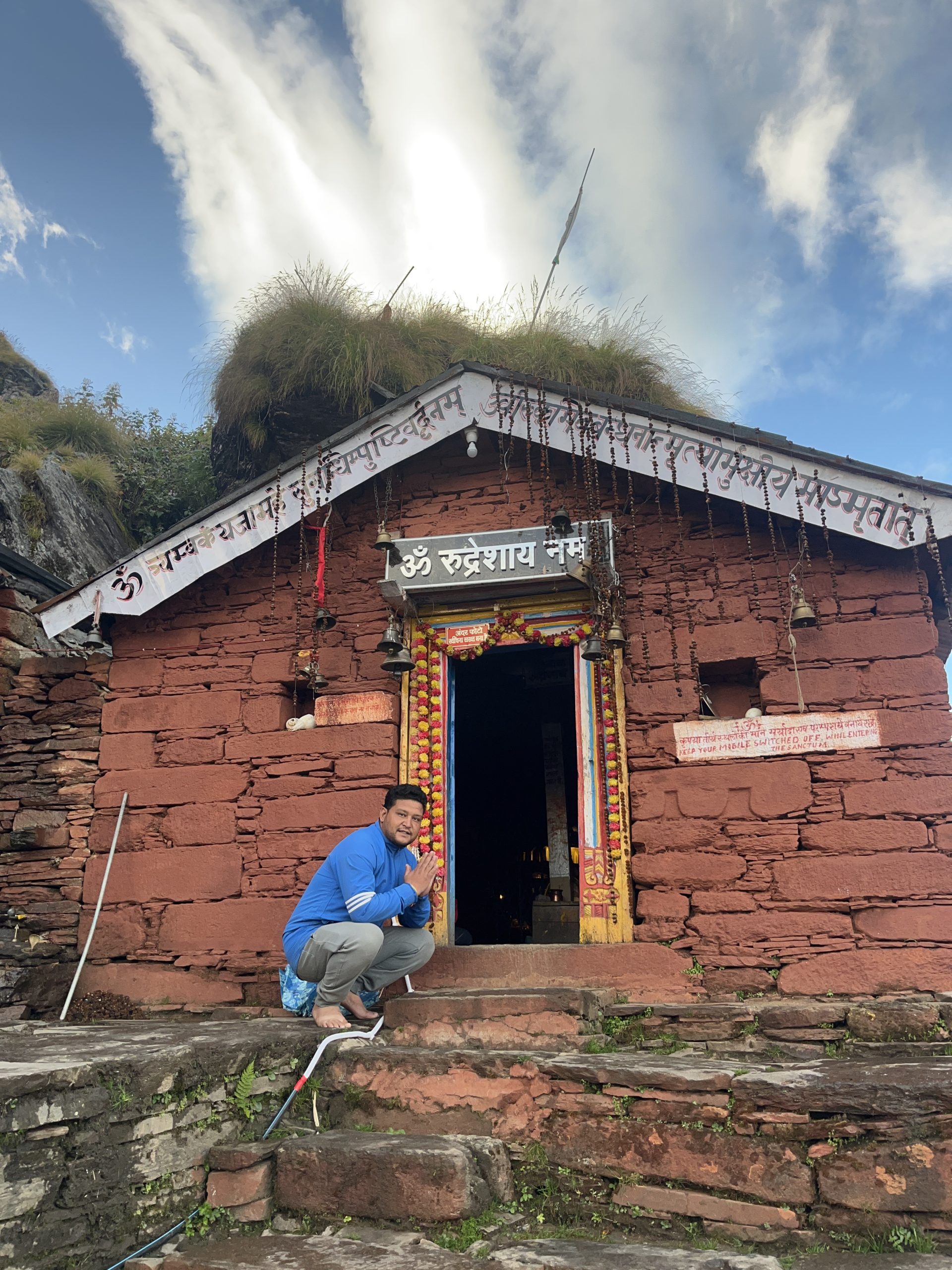
The Rudranath Yatra is one of the most mystical and remote pilgrimages in the Garhwal Himalayas of Uttarakhand. It leads to the sacred Rudranath Temple, one of the revered Panch Kedar temples dedicated to Lord Shiva. Unlike other temples, Rudranath is located inside a natural rock cave where Lord Shiva is worshipped in the form of his face (mukha).
Surrounded by dense forests, alpine meadows and high mountain ridges, this trek is known for its spiritual depth and raw Himalayan beauty.
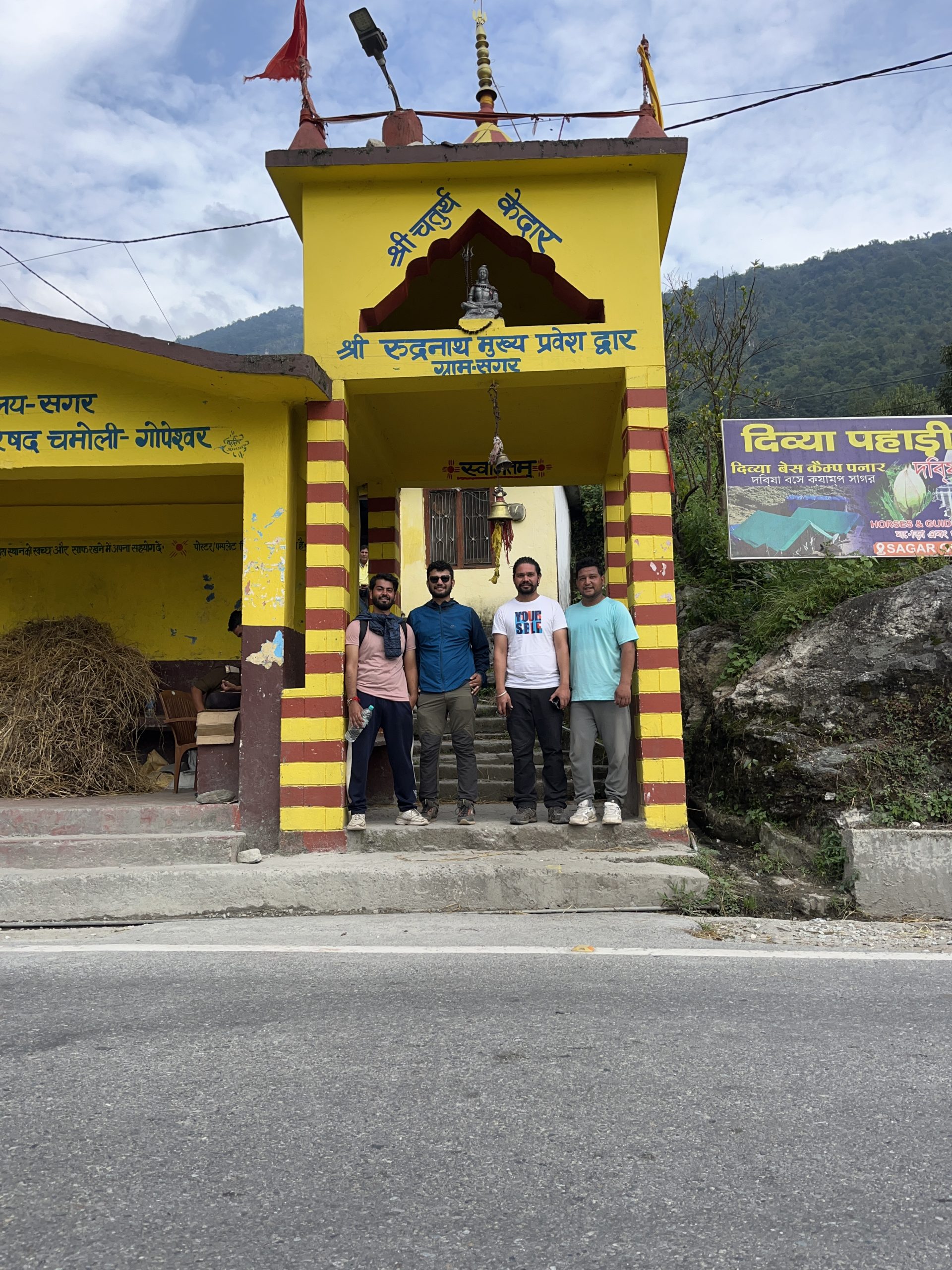
The journey usually begins from Rishikesh or Haridwar, followed by a scenic drive to Sagar Village near Gopeshwar, which serves as the base for the trek. The drive passes through beautiful confluences like Devprayag and Rudraprayag, offering mesmerizing river valley views.
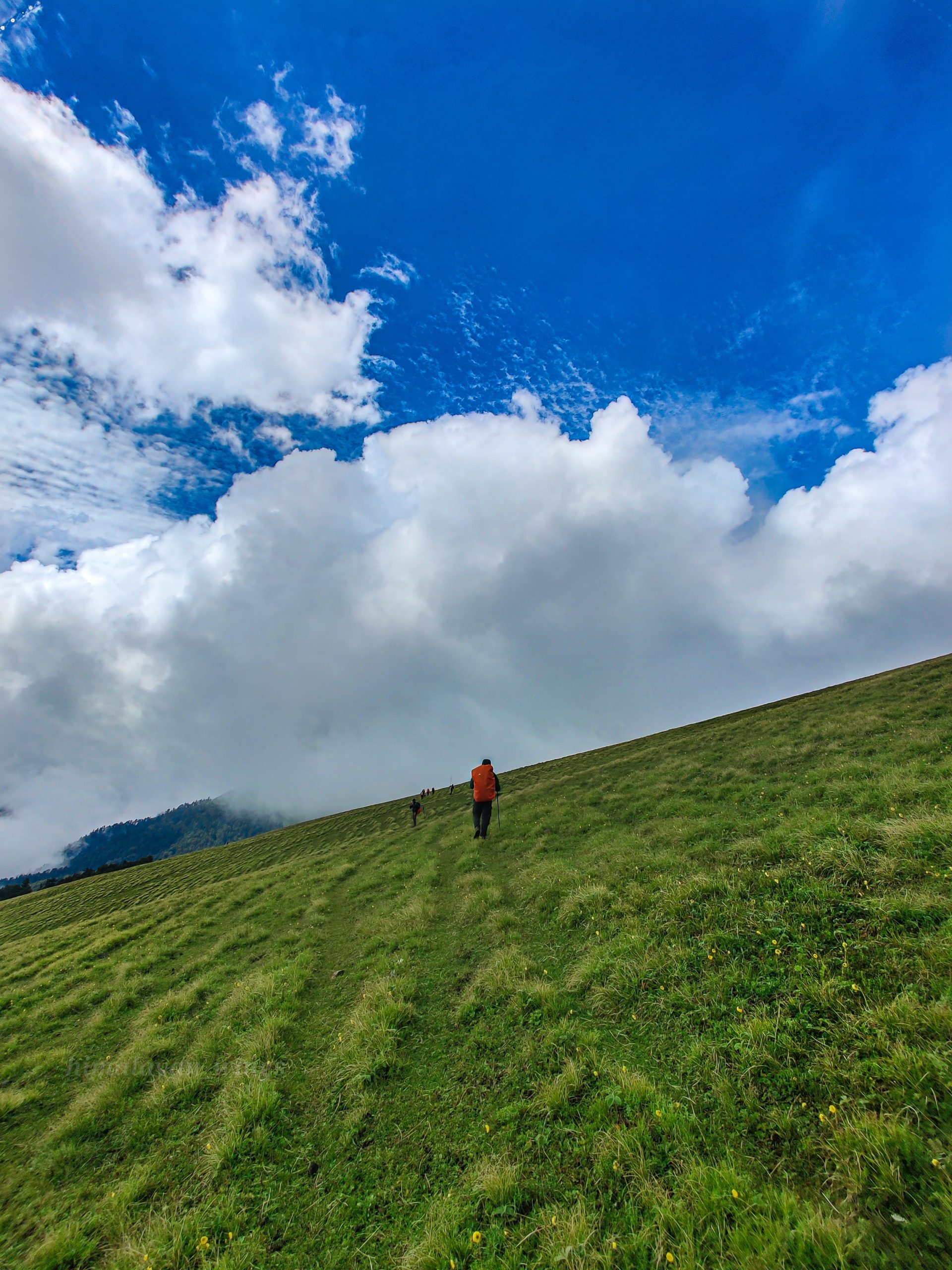
From Sagar village, trekkers begin a long and rewarding trek through dense forests and steep mountain trails. One of the first major stops is Anusuya Devi Temple, a peaceful temple located deep in the forest. The trail then ascends toward Panar Bugyal and Pitradhar, offering breathtaking views of Himalayan peaks and vast alpine meadows.
The final stretch leads to Rudranath Temple, nestled in a natural rock cave surrounded by high ridges and sacred kunds like Surya Kund, Chandra Kund and Tara Kund. The journey is both physically demanding and spiritually enriching, making it one of the most unique Himalayan yatras.
The best time to undertake the Rudranath Yatra is May to June and September to October. During these months, the weather is relatively stable, and the trekking routes are open. Summer offers lush green meadows and clear skies, while autumn provides crisp air and stunning mountain visibility.
The monsoon season brings heavy rains and slippery trails, while winter covers the region in snow, making the temple inaccessible.
The Rudranath Yatra offers a very high level of solitude, making it one of the most peaceful treks in Uttarakhand. Due to its long trekking distance and remote location, the trail remains less crowded compared to Kedarnath or Tungnath. Trekkers often walk for hours through forests and meadows without encountering many people, creating a deep connection with nature and spirituality.
The Rudranath trek is considered moderate to difficult, requiring good physical fitness and trekking experience. The trek from Sagar village to Rudranath covers approximately 20–22 km one way through steep ascents and high-altitude trails.
The altitude of the temple is around 3,600 meters, and trekkers must be prepared for long walking hours and changing weather conditions. Accommodation is usually available in basic lodges or camps along the route.
The Rudranath Yatra is perfect for travelers seeking a deep spiritual journey combined with raw Himalayan adventure. Unlike commercial trekking routes, this yatra offers untouched landscapes, ancient temples and a strong sense of solitude.
The unique cave temple setting, along with panoramic views of peaks like Nanda Devi and Trishul, creates a powerful and unforgettable experience.
The main highlight of the yatra is the Rudranath Temple, where devotees experience a rare form of Lord Shiva worshipped in a natural cave. The trek also includes visiting Anusuya Devi Temple, a serene forest shrine surrounded by dense greenery. The alpine meadows of Panar Bugyal and the ridge of Pitradhar offer breathtaking views of the Garhwal Himalayas.
Activities during the yatra include high-altitude trekking, exploring remote Himalayan forests, visiting sacred kunds near the temple, camping in alpine meadows, sunrise and sunset photography and experiencing spiritual meditation in peaceful surroundings.
Begin your journey early morning from Rishikesh, driving deep into the Garhwal Himalayas. The road follows the sacred flow of the Alaknanda, passing through Devprayag, Rudraprayag, Karnaprayag, and Gopeshwar. As you ascend, the landscape becomes quieter and more forested, preparing you for the solitude Rudranath is known for.
By evening, arrive at Sagar Village, the traditional base for the Rudranath trek, nestled above the valleys with expansive mountain views.
Distance Covered: ~230 km
Travel Time: 8–9 hours
Altitude Gain: 340 m → ~1,950 m
Wake up to crisp mountain air and begin your trek toward Lwiti Bugyal, one of the most beautiful alpine meadows in the region. The trail climbs steadily through dense forests of oak and rhododendron, opening occasionally into wide clearings with sweeping Himalayan views.
As you gain altitude, the surroundings become quieter and more expansive, with vast grasslands stretching beneath the open sky. Reach Lwiti Bugyal by afternoon and soak in the raw Himalayan wilderness.
Trek Distance: ~11 km
Travel Time: 5–7 hours
Altitude Gain: 1,950 m → ~3,300 m
Today’s journey leads you to the sacred Rudranath Temple, one of the most isolated Panch Kedars. After breakfast, continue your trek along a clearly marked high-altitude trail that traverses ridges, alpine slopes, and open valleys.
As you approach Rudranath, the landscape feels deeply meditative — vast, silent, and powerful. The stone temple appears suddenly against a dramatic Himalayan backdrop, creating a moment that feels both humbling and timeless. Spend time in darshan and quiet reflection, absorbing the spiritual intensity of this rare shrine.
Trek Distance: ~8–10 km
Travel Time: 4–6 hours
Altitude Gain: 3,300 m → ~3,600 m
Rise early to witness the soft Himalayan light washing over the Rudranath valley. After breakfast, begin your descent back toward Sagar Village. The downhill journey feels gentler, allowing more time to appreciate the vast meadows, forests, and mountain silence that define this route.
By late afternoon or evening, reach Sagar Village, completing the trekking circuit of Rudranath.
Trek Distance: ~18–20 km
Travel Time: 6–8 hours
Altitude Drop: 3,600 m → 1,950 m
Begin your return journey to Rishikesh, retracing the scenic Himalayan roads through Gopeshwar and the sacred Prayags. As altitude decreases, the terrain shifts from high ridges to river valleys, gradually bringing you back to the spiritual calm of Rishikesh by evening.
Distance Covered: ~230 km
Travel Time: 8–9 hours
Altitude Drop: 1,950 m → 340 m
The Rudranath Trek is considered moderate to difficult, as it involves long trekking distances, steep ascents and high-altitude terrain. The route passes through dense forests, alpine meadows and ridgelines, requiring good stamina and trekking experience.
The best time to undertake the Rudranath Yatra is during May to June and September to October, when the weather remains stable and the trekking trails are accessible. Summer offers lush green bugyals, while autumn provides clear skies and stunning mountain views.
The Rudranath Trek usually takes 5 to 7 days, depending on the itinerary and trekking pace. The journey typically begins from Sagar village and includes stops at Anusuya Devi, Panar Bugyal and Pitradhar before reaching the temple.
Generally, no special permit is required for the Rudranath Trek, but trekkers may need to register at local checkpoints or forest areas depending on current regulations. It is always advisable to carry valid ID and follow local guidelines.
The trek usually starts from Sagar Village, which is accessible by road from Rishikesh via Gopeshwar in Uttarakhand. From Sagar, trekkers begin the route toward Anusuya Devi Temple and further to Rudranath.
9027864668
info@themokshaholidays.com