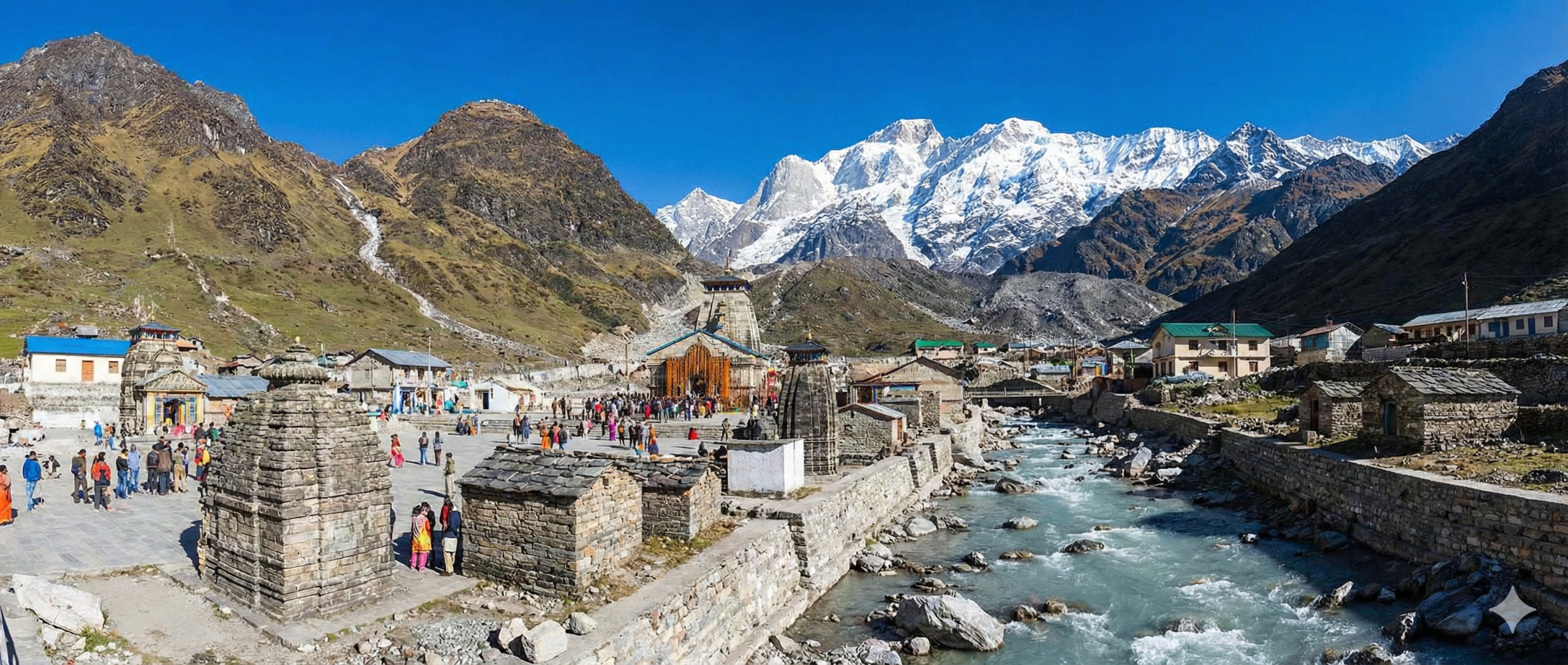
The Panch Kedar Yatra is not a path you conquer… it is a path that slowly dissolves you, until only faith remains and Shiva walks within.



Some journeys are not chosen. They are felt.
The Panch Kedar Yatra is one such path, where devotion leads you into the untouched folds of the Himalayas. Far from crowded routes, these temples rest quietly, waiting only for those who are ready to walk with faith.
As Panch Kedar Yatra 2026 preparations begin, the mountains are once again opening their doors to seekers who wish to experience not just travel, but transformation.
The Panch Kedar temples are five sacred shrines dedicated to Lord Shiva, each representing a different part of his divine form.
Kedarnath reflects the hump, Tungnath the arms, Rudranath the face, Madhyamaheshwar the navel, and Kalpeshwar the hair.
Together, they form a spiritual journey that symbolizes surrender, purification, and liberation. Walking this path is believed to bring one closer to moksha, not just through rituals, but through experience.
The temples of Panch Kedar open seasonally, guided by tradition and weather conditions.
Kedarnath and Tungnath are expected to open around April or early May, while Madhyamaheshwar and Rudranath open later in May as snow clears from higher altitudes. Kalpeshwar remains accessible throughout the year.
These openings are not just logistical events. They are sacred moments when the energy of the Himalayas aligns with devotion.
For a safe and organized pilgrimage, registration is essential, especially for Kedarnath and related routes.
You can complete your official registration here:
https://registrationandtouristcare.uk.gov.in
For temple-related services, puja bookings, and official updates, visit:
https://badrinath-kedarnath.gov.in
These official platforms ensure:
Always use official websites to avoid misinformation or fraud.
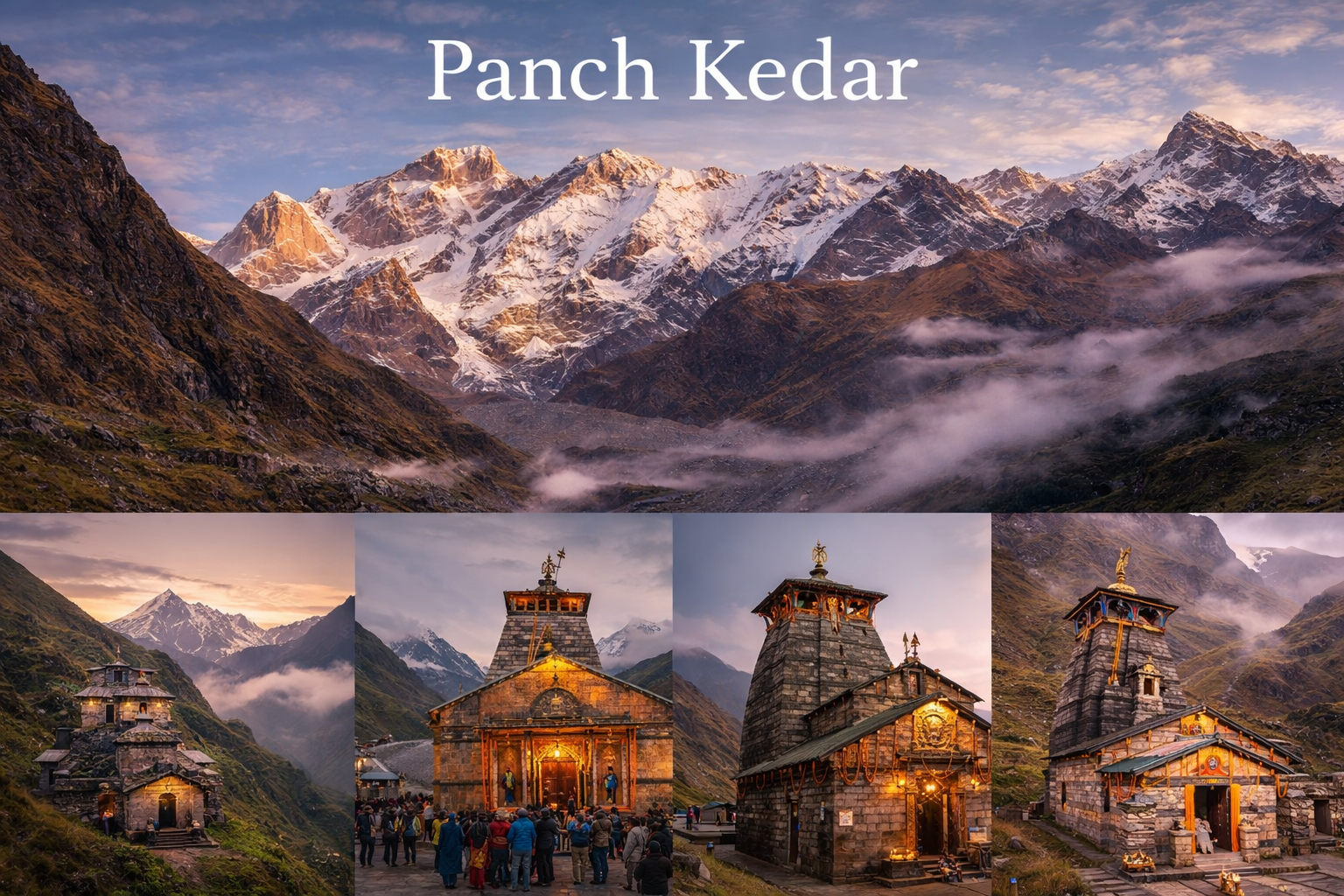
The journey usually begins from Rishikesh or Haridwar, slowly ascending into the Garhwal Himalayas.
The route flows through Kedarnath, Tungnath, Madhyamaheshwar, Rudranath, and finally Kalpeshwar. Each destination requires effort, patience, and a willingness to move beyond comfort.
Villages like Guptkashi, Ukhimath, Ransi, Sagar, and Helang act as gateways to these divine spaces, offering rest and connection with local culture.
The Panch Kedar Yatra is not a simple pilgrimage. It is a journey that tests both body and spirit.
The trek to Kedarnath stretches across rugged terrain, while Tungnath offers a shorter yet steep climb. Madhyamaheshwar and Rudranath demand endurance, taking you deep into remote landscapes where silence becomes your companion.
Kalpeshwar, though easier to access, completes the journey with a sense of calm and closure.
Every step on these trails carries meaning. Every breath feels closer to something beyond words.
This journey is not about visiting five locations. It is about experiencing five dimensions of devotion.
In the quiet of the forests, in the vastness of the bugyals, and in the stillness of the temples, something within begins to shift.
The Himalayas do not just show you beauty. They reveal truth.
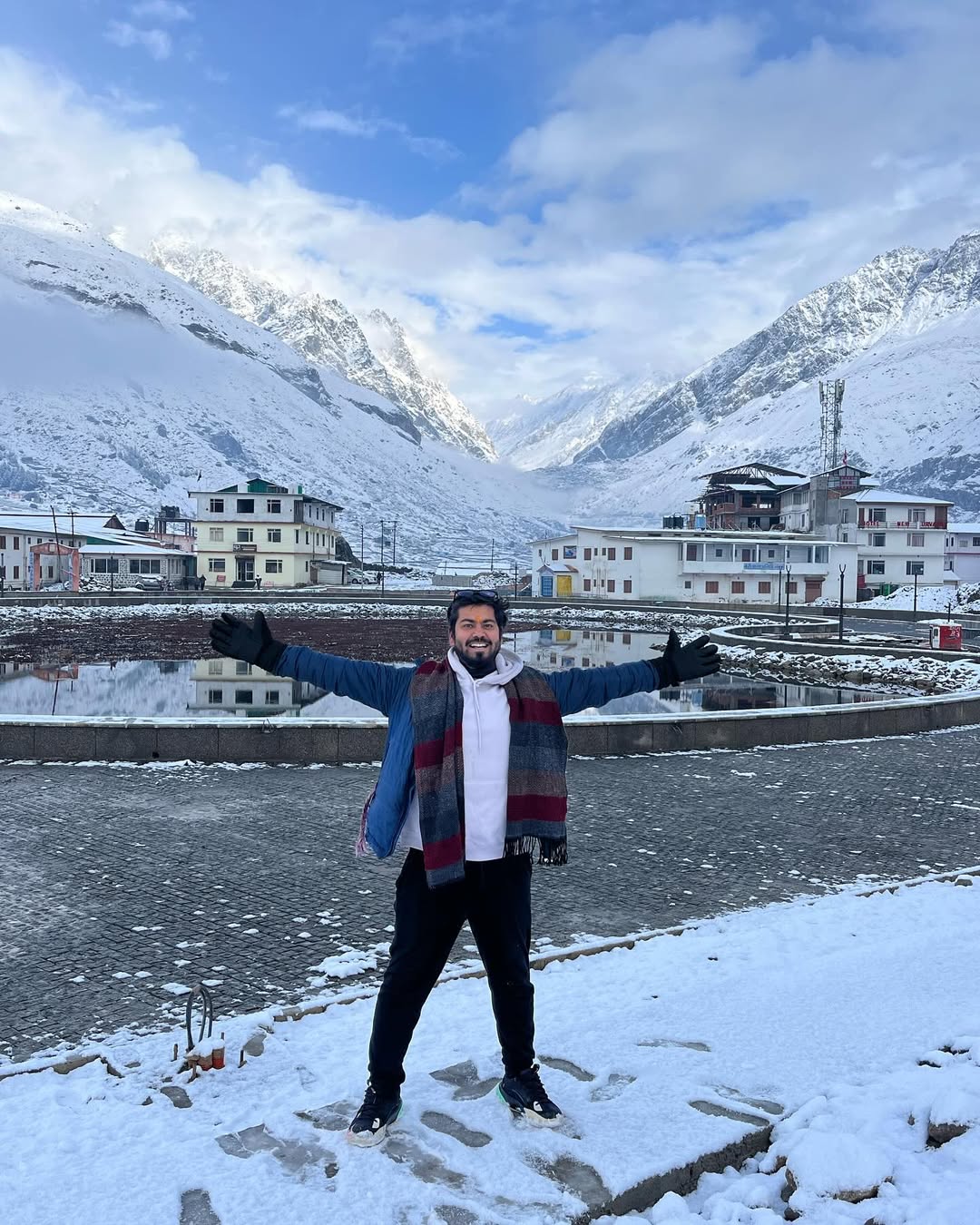
Preparation is key when entering the mountains.
Weather can change suddenly, making it important to carry warm clothing, rain protection, and proper trekking shoes. Acclimatization is essential as you move to higher altitudes.
Keeping your itinerary flexible allows you to adapt to nature’s pace rather than forcing your own.
Listening to local advice and respecting the terrain ensures that your journey remains safe and meaningful.
Panch Kedar is not about reaching the destination quickly.
It is about slowing down. About walking with awareness. About letting go of control and allowing the journey to unfold.
Somewhere along the path, between effort and silence, you realize that the mountains are not changing. You are.
If you are planning this sacred journey, let it begin with clarity and preparation.
With the right guidance, your yatra becomes more than travel. It becomes an experience that stays with you long after you return.
Take the first step with intention, and let the Himalayas guide the rest.
These mountains are sacred spaces, not just destinations.
Walk gently. Respect deeply.
Do not throw garbage. Travel responsibly.