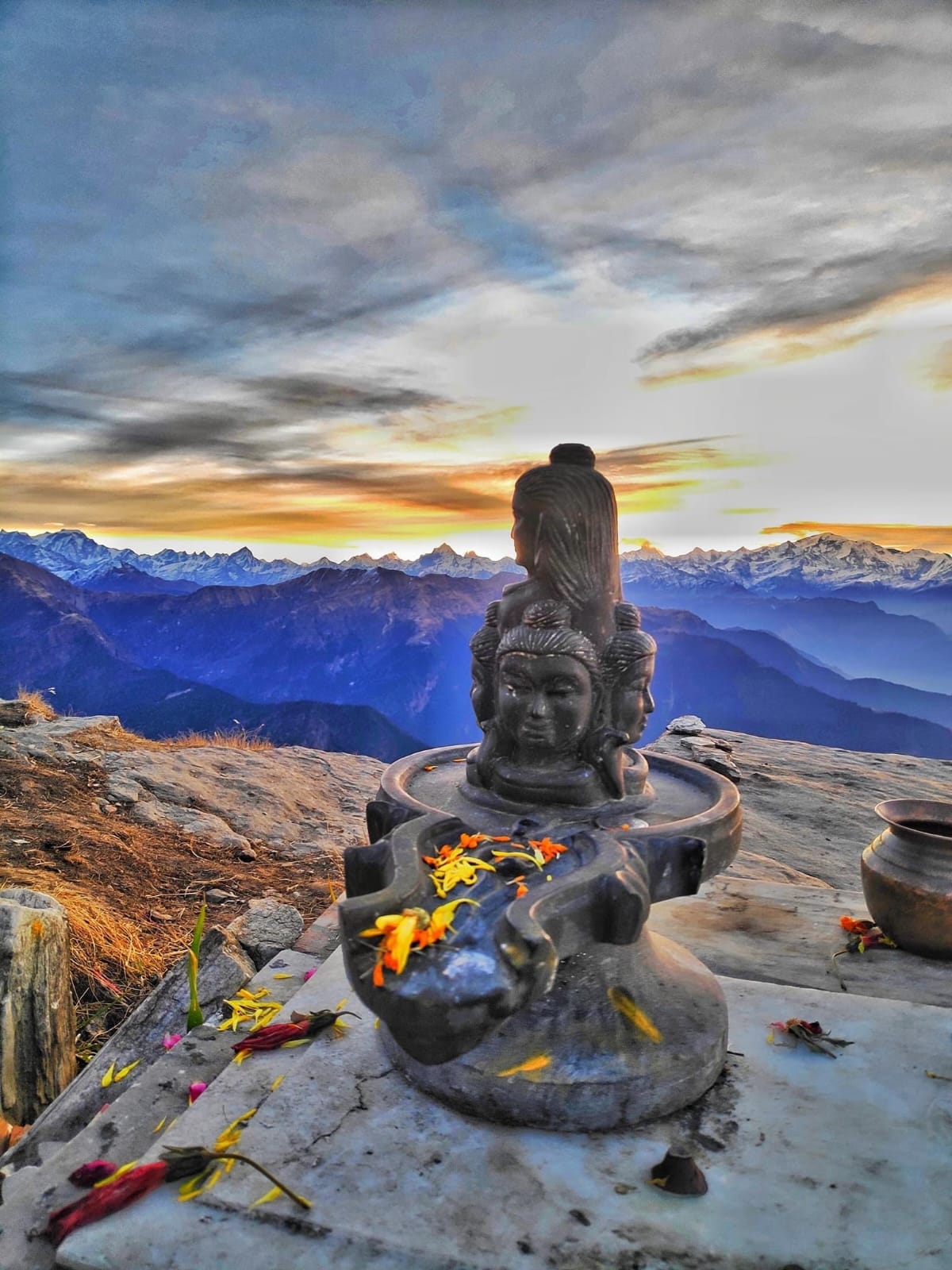
The Spiritual Culture of Uttarakhand



There are places that impress the eyes.
And then there are places that quietly rearrange the soul.
Uttarakhand is one of those places.
People come here for mountains, rivers, snow, and temples. But those who stay long enough begin to understand something deeper: this land does not feel sacred because it is full of shrines. It feels sacred because spirituality here is not separate from life.
It lives in the morning bells of village temples.
In rivers treated like mothers.
In mountains spoken of like living deities.
In rituals that are still followed not for display, but for belonging.
That is why Uttarakhand is called Dev Bhoomi – the Land of the Gods.
And once you experience it with an open heart, the name stops sounding poetic and starts feeling true.
Uttarakhand is called Dev Bhoomi because its geography and its faith are inseparable.
This is the land of:
Official tourism and cultural sources consistently position Uttarakhand as a major spiritual landscape shaped by pilgrimage, river origins, temple circuits, and Himalayan sacred geography.
But the real reason it feels like Dev Bhoomi is not only because of famous temples.
It is because in Uttarakhand, the divine is not confined to temple walls.
A forest can be sacred.
A spring can be sacred.
A bugyal can be sacred.
A village stone shrine can carry as much devotion as a famous dham.
That is a very different kind of spiritual culture.
If you only know Uttarakhand through Char Dham, you are seeing the crown, not the whole body.
The spiritual culture of Uttarakhand is woven through:
Cultural documentation on Kumaon and Garhwal shows that temples here are not limited to Shiva or Vishnu alone. Worship also includes regional goddesses, Bhairava traditions, village protectors, and local folk deities who are deeply embedded in community life.
This is what makes Uttarakhand spiritually rich in a way that many travelers miss.
You are not entering a state where people occasionally visit temples.
You are entering a landscape where belief still shapes daily life.
One of the strongest spiritual currents in Uttarakhand is the presence of Lord Shiva.
From Kedarnath and Tungnath to Jageshwar, Kalpeshwar, Rudranath, and Madhyamaheshwar, the state is filled with ancient Shaiva traditions. Historical and cultural research on temple networks in Kumaon and Garhwal shows a deep continuity of Shaiva worship across the region.
But Shiva here is not worshipped only as a deity of destruction.
He is experienced as:
Alongside Shiva, Uttarakhand also carries a strong Shakti tradition through temples and protective goddess worship, including regional reverence for divine feminine forms such as Nanda Devi, Dhari Devi, Naina Devi, and others in local memory and pilgrimage culture.
That is why this land feels both fierce and tender.
It holds both ascetic energy and mother energy.
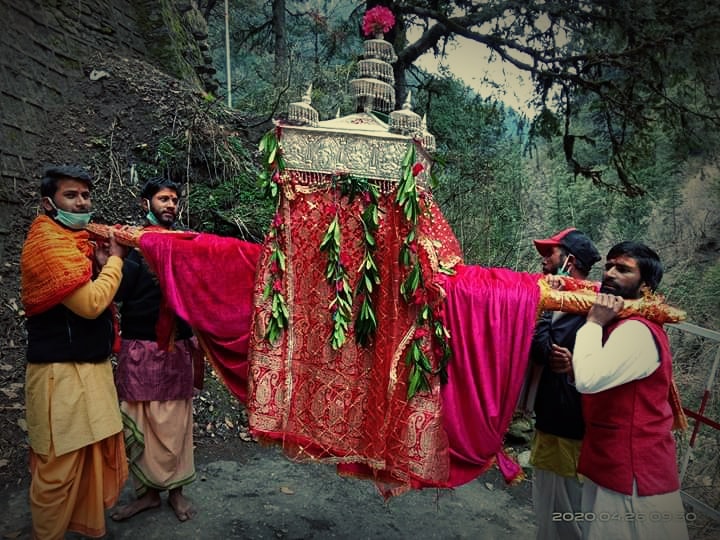
To understand the spiritual culture of Uttarakhand, you must look at its festivals.
These are not only annual events. They are ways communities remember who they are.
A spring festival where children bless homes with flowers, symbolizing abundance and renewal.
A deeply meaningful Kumaoni festival that honors nature, fertility, and agricultural cycles.
Unlike the loud urban version, Holi in Kumaon begins with music, ragas, devotion, and community singing. Recent reporting from Uttarakhand shows that traditions like Baithki Holi, Khadi Holi, and Cheer Bandhan remain culturally alive and spiritually distinct.
Many parts of Uttarakhand preserve strong devotional traditions around Nanda Devi, whose cultural and spiritual presence remains central in Kumaon and Garhwal memory.
Festivals here are not only about color or crowd.
They are about continuity.
One of the most beautiful things about Uttarakhand is that ritual still feels intimate.
It is not always grand.
Often, it is simple.
A diya at dusk.
A bell rung before entering a forest shrine.
A river touched before a journey.
A thread tied with quiet hope.
Cultural records of Garhwal and Kumaon show that rites and rituals remain deeply tied to life events, agricultural rhythms, and temple worship, reflecting a living continuity rather than a museum version of tradition.
And perhaps that is what travelers feel most strongly here:
Faith is not performed here. It is lived.
In Uttarakhand, spirituality is not only inside temples.
It is also inside the land itself.
That is why rivers are revered, peaks are personified, and forests are protected through belief as much as law. Recent reporting from Kumaon highlights community-led forest protection practices that dedicate forest areas to local deities, turning ecology into a spiritual duty.
This is a powerful lesson modern travelers often overlook.
In Dev Bhoomi, nature is not scenery.
Nature is relationship.
That is why even a quiet walk in these mountains can feel like prayer.
If you want to experience Uttarakhand spiritually, don’t just visit the most famous places. Travel with intention.
Some of the most meaningful spiritual circuits include:
Haridwar / Rishikesh → Yamunotri → Gangotri → Kedarnath → Badrinath
For those seeking a deeper Shiva path beyond mainstream pilgrimage.
Explore Jageshwar, Baijnath, Katarmal, Bageshwar, Naina Devi, and local goddess traditions.
For yoga, Ganga aarti, meditation, and spiritual immersion. Recent coverage of the International Yoga Festival in Rishikesh shows how Uttarakhand continues to shape global spiritual tourism while retaining its deeper roots.
The best journey depends on what you are seeking:
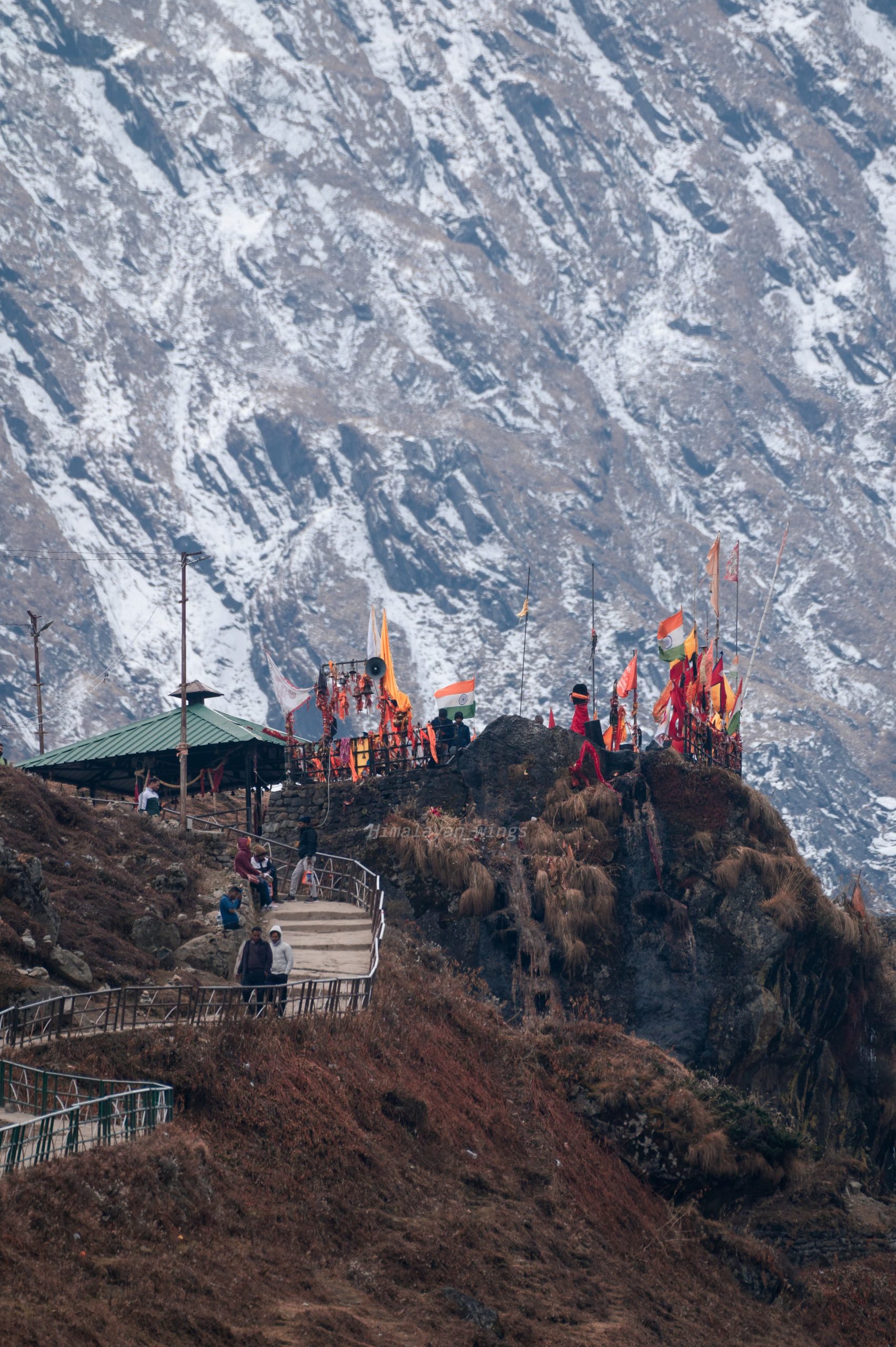
Uttarakhand is not meant to be rushed. The deeper experience begins when you stop trying to “cover” places and start allowing places to affect you.
Dress modestly, remove footwear where required, and ask before photographing rituals or village shrines.
Temple journeys in the Himalayas depend heavily on road, season, and mountain conditions. Always keep flexibility in your itinerary.
Not every sacred moment needs a camera.
Most places give you memories.
Uttarakhand often gives you perspective.
Maybe it is the silence.
Maybe it is the altitude.
Maybe it is the feeling that the mountains are older than all your confusion.
Or maybe it is simply this:
In Dev Bhoomi, life feels closer to what it was always meant to be.
Less noisy.
More reverent.
More real.
That is why people come here for a trip…
and leave with a longing.
If Uttarakhand has been calling you, maybe it is not just because you want a holiday.
Maybe you want:
If you’re planning Char Dham, Panch Kedar, Kedarnath, Badrinath, temple trails, or a spiritually rooted Uttarakhand journey, let it be designed with depth, local understanding, and the right rhythm.
Reach out to Moksha Holidays
And experience Uttarakhand not just as a destination…
but as Dev Bhoomi.
The Himalayas are sacred before they are scenic.
Walk gently. Respect deeply.
Do not throw garbage. Travel responsibly.